Cable Selection Guide
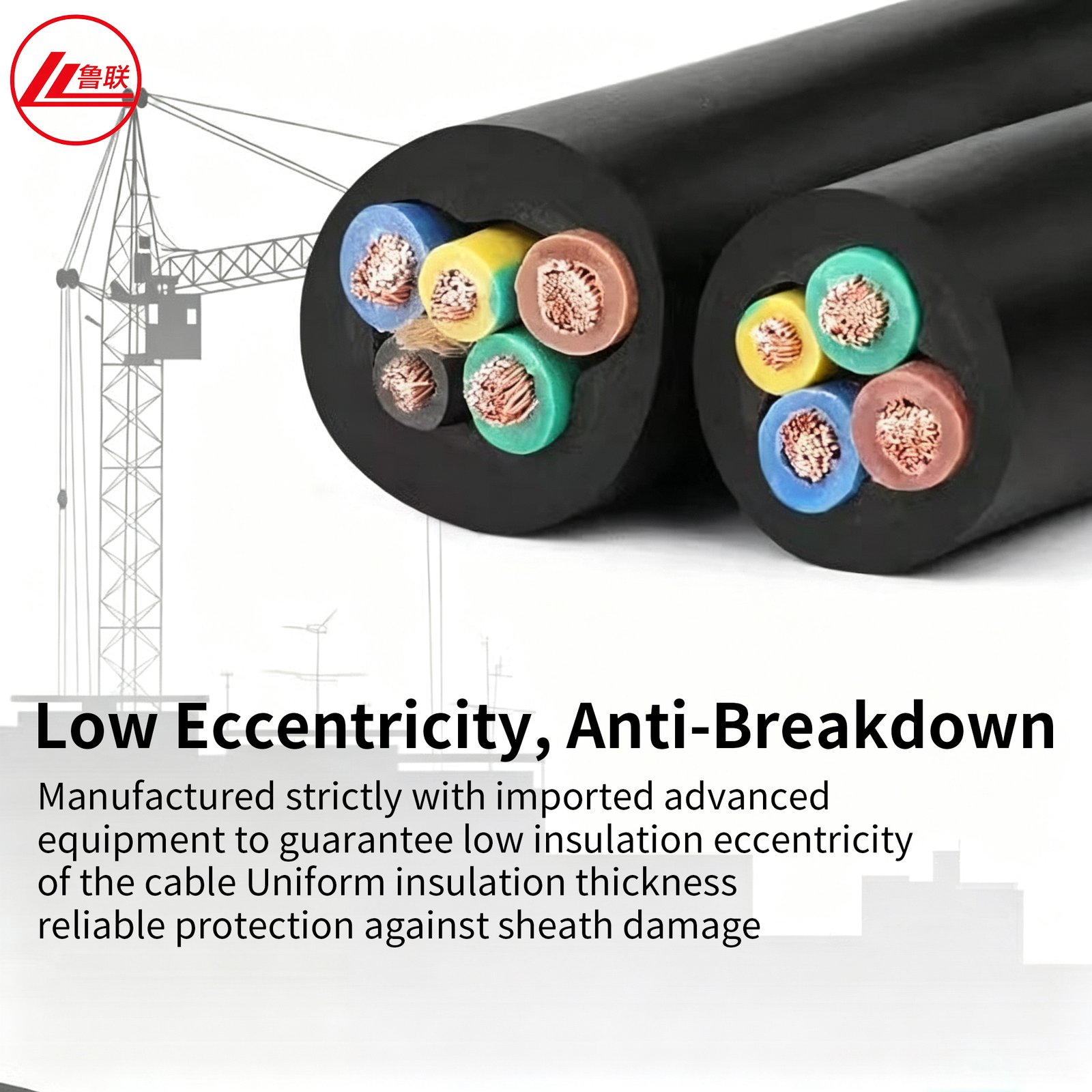
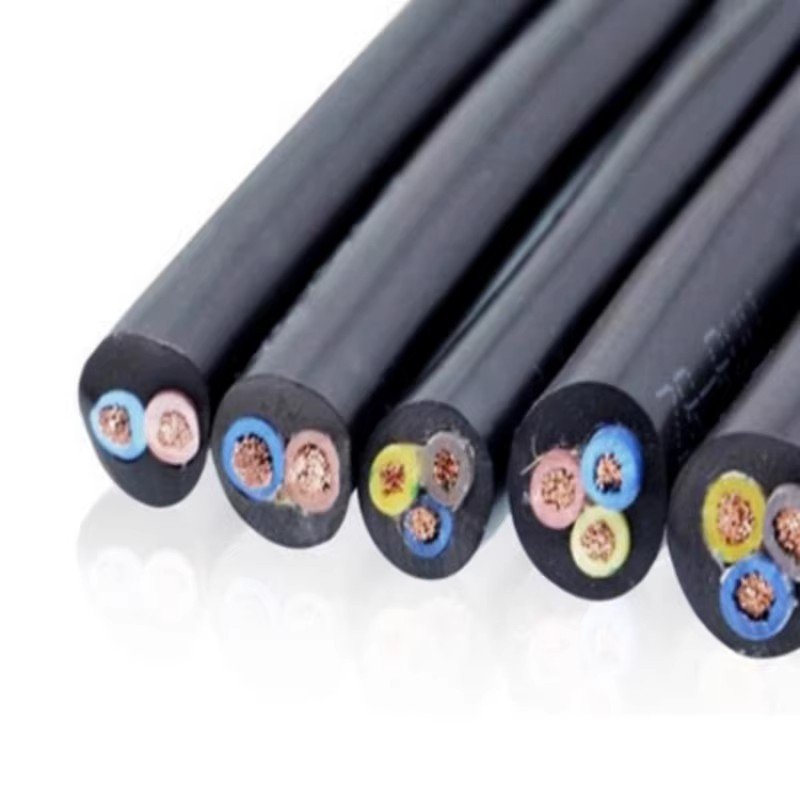
Flexible rubber cable is used where equipment moves, cables are handled frequently or the environment demands resistance to abrasion, weather or oils. Duty class, voltage, conductor flexibility and sheath compound must match the real service.
Quick Answer
YC and YCW are commonly associated with heavy-duty flexible rubber cables, while YZ is used for medium-duty service. H07RN-F is a harmonized flexible rubber cable designation used in many international projects. Model names alone are not enough; confirm the standard, compound, flexibility, temperature and environmental exposure.
Where Rubber Cable Is Used
Typical applications include mobile machinery, construction equipment, workshops, temporary power, pumps, agricultural equipment, ports, mines and outdoor tools. The cable may be dragged, coiled, exposed to sunlight or connected to vibrating equipment. Each duty creates different flexing, tensile, abrasion and environmental demands.
Conductor and Flexibility
Flexible rubber cables normally use finely stranded copper conductors. Strand class and lay influence flexibility, conductor diameter and termination. A cable designed for occasional movement is different from a reeling or festoon cable intended for continuous dynamic operation. State bending frequency, travel speed, pulling load and reel diameter when the cable will move repeatedly.
Insulation and Sheath Compounds
EPR, rubber and elastomeric compounds provide different electrical, thermal and mechanical properties. Outer sheaths may be formulated for oil, weather, ozone, abrasion or flame performance. Terms such as rubber cable or neoprene cable are too general for procurement. The approved data sheet should identify the required performance and applicable tests.
Duty, Temperature and Environment
Check operating and installation temperatures, sunlight, water, oils, chemicals, mechanical impact and torsion. Submersible, welding, تعدين and crane applications may require specialized products rather than general YC or H07RN-F. Cable supports, glands and strain relief must prevent conductor damage at the equipment entry.
Installation and Maintenance
Avoid sharp edges, excessive pulling tension and bends below the specified radius. Inspect frequently handled cables for cuts, exposed reinforcement, crushed areas and damaged plugs. De-energize and replace unsafe cables; do not rely on temporary tape repairs. See our YC/YCW rubber cable page.
Information to Send for an Accurate Quotation
State model or governing standard, voltage, conductor size and cores, required flexibility, movement frequency, bending radius, tensile or torsion duty, oil/weather/UV/water exposure, temperature, sheath colour, marking, length, plugs or terminations, quantity and destination.
Frequently Asked Questions
Is H07RN-F the same as YC?
No. They are associated with different standard systems and construction requirements. Compare the exact specification and approval.
Can ordinary rubber cable be used underwater?
Not automatically. Continuous submersion requires a cable specifically designed and approved for that environment.
What information is needed for a reeling cable?
Provide reel dimensions, travel speed, acceleration, bending cycles, tensile load, route and electrical duty so a suitable dynamic cable can be selected.
Discuss Your Cable Requirement
Lulian Cable supports distributors, contractors, utilities and industrial buyers across Europe, the Middle East and Africa, including Nigeria. Final construction, standards and performance are confirmed in the approved quotation and technical data sheet.