QUALITY GUIDE
Cable testing verifies whether a manufactured cable matches the approved construction and applicable standard. The required test plan varies by cable type, rated voltage and project specification.
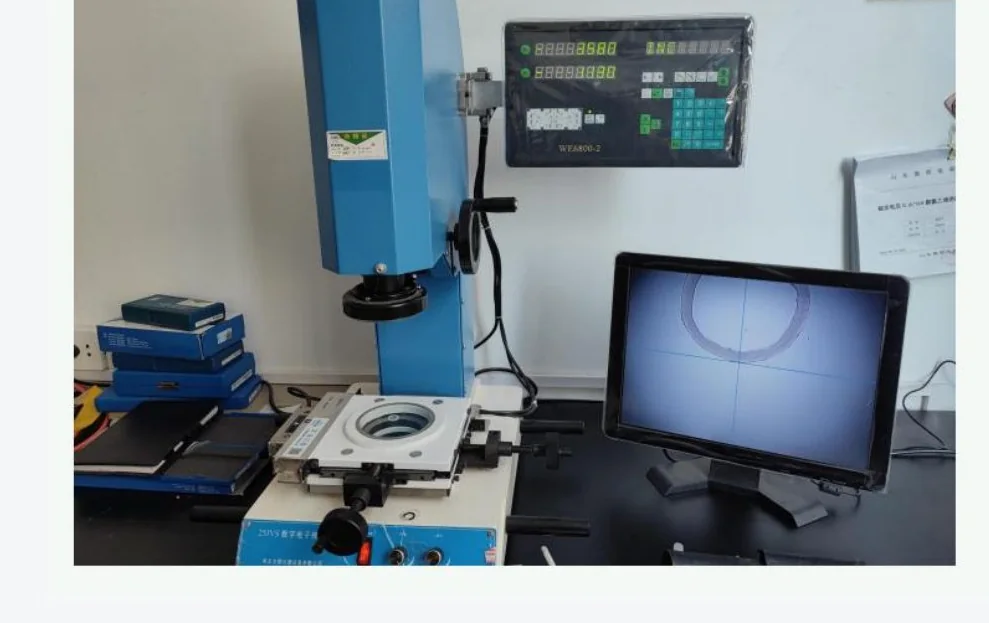
Conductor and Dimensional Checks
Incoming and in-process inspection may include conductor material review, wire diameter, strand construction, conductor resistance, insulation thickness, sheath thickness and overall diameter. Results are evaluated against the ordered construction and relevant standard.
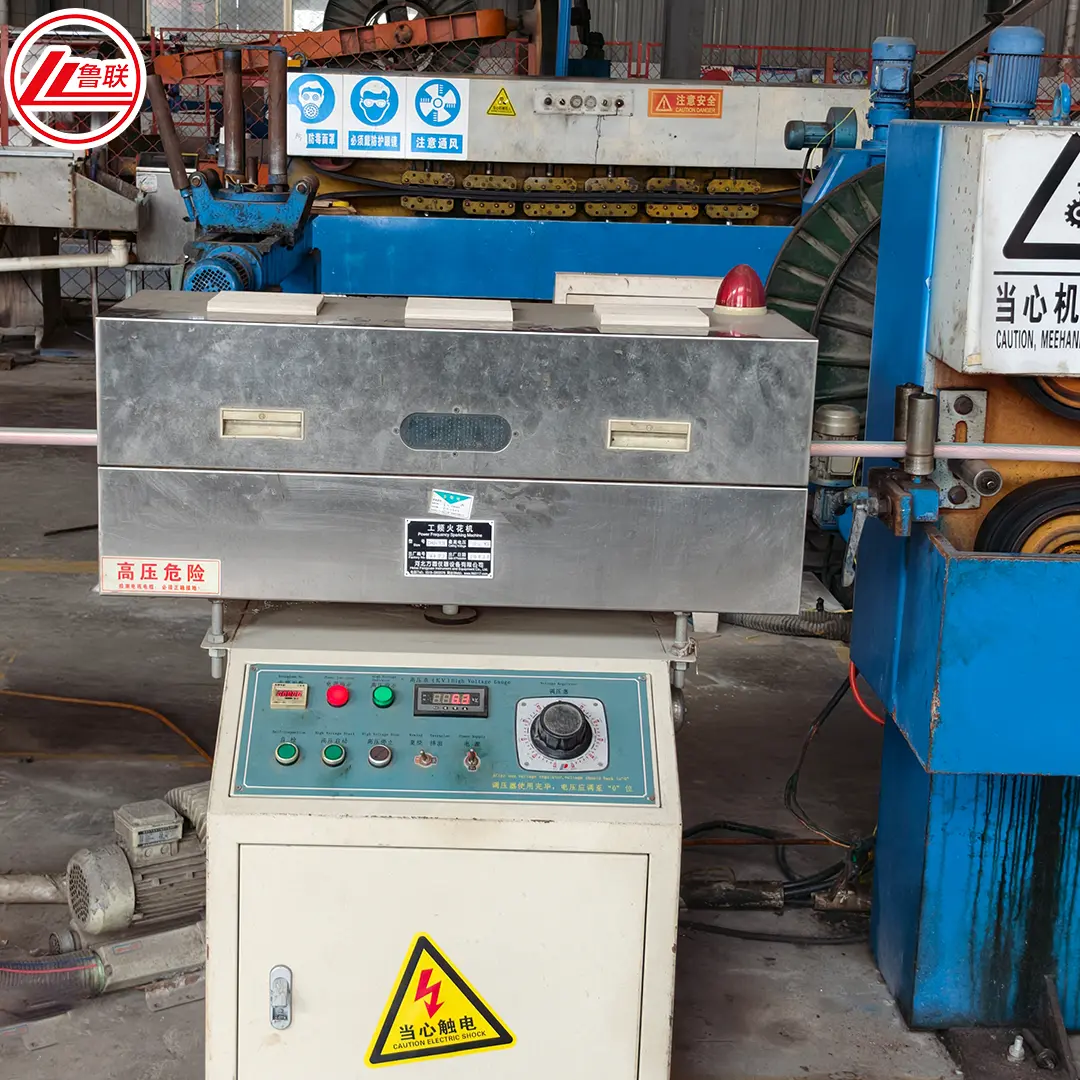
Electrical Tests
Depending on the cable, testing may include conductor resistance, insulation resistance, voltage withstand and continuity checks. Medium-voltage and special cables require a test program appropriate to their construction; buyers should not assume that every test applies to every product.
Mechanical and Material Checks
Tensile strength, elongation, bending, abrasion or other mechanical checks may be required for conductor, insulation, sheath or finished-cable samples. The method and acceptance criteria must come from the applicable cable or material standard.
Final Inspection and Documentation
Before release, marking, length, drum or coil packing, labels and customer documentation are checked against the approved order. Order-specific records can be supplied when they are included in the quotation or agreed inspection plan.
What Buyers Should Confirm
- Cable model, rated voltage and installation method
- Applicable IEC, GB/T or customer specification
- Routine, sample or third-party testing requirements
- Required certificate, report format and inspection witness point
- Packaging, marking and destination documentation
Final technical acceptance is based on the approved datasheet, standard and purchase requirements—not on a generic website table.