Cable Selection Guide
Copper and aluminium are both established conductor materials for power distribution. Their conductivity, density, mechanical behavior, jointing requirements and total installed cost differ, so a correct comparison must consider the whole circuit rather than conductor price alone.
Quick Answer
Copper provides higher conductivity and allows a smaller cross-section for a given resistance target. Aluminium is much lighter and can reduce conductor cost, but usually requires a larger cross-section and careful termination design. Both can perform reliably when the cable, lugs, installation and maintenance are engineered as one system.
Conductivity and Cross-Section
Copper has higher electrical conductivity than aluminium. To achieve similar resistance, an aluminium conductor generally needs a larger nominal cross-section. The final selection is not based on a fixed conversion ratio because standard conductor constructions, allowable current, voltage drop and available cable sizes all matter. Engineering calculations should use the resistance and ampacity values from the applicable standard and approved product data.
Weight and Handling
Aluminium has a much lower density, making long cable lengths lighter. Lower weight can help transport, pulling and support design, especially for large distribution feeders. The larger outside diameter of an aluminium cable may require bigger conduits, glands and bending space. Copper is more compact and is often preferred where space is restricted, equipment terminals are small or high current must be carried in a compact route.
Terminations and Joint Reliability
Copper and aluminium require compatible lugs, connectors and preparation methods. Aluminium surfaces form an oxide layer and may require approved cleaning, joint compound, bimetallic connectors and controlled crimping. Connections must be protected against galvanic interaction where dissimilar metals meet. Correct torque and periodic inspection are especially important. A low conductor price cannot compensate for unsuitable terminals or poor workmanship.
Cost and Project Economics
Compare material price, cable size, transport weight, installation labor, accessories, losses and maintenance. Aluminium may be attractive for long feeders and utility distribution, while copper may reduce space and simplify equipment connections. Commodity prices change, so quotations should be compared on the same electrical duty, length, standard and accessories rather than price per metre alone.
Where Each Material Is Commonly Used
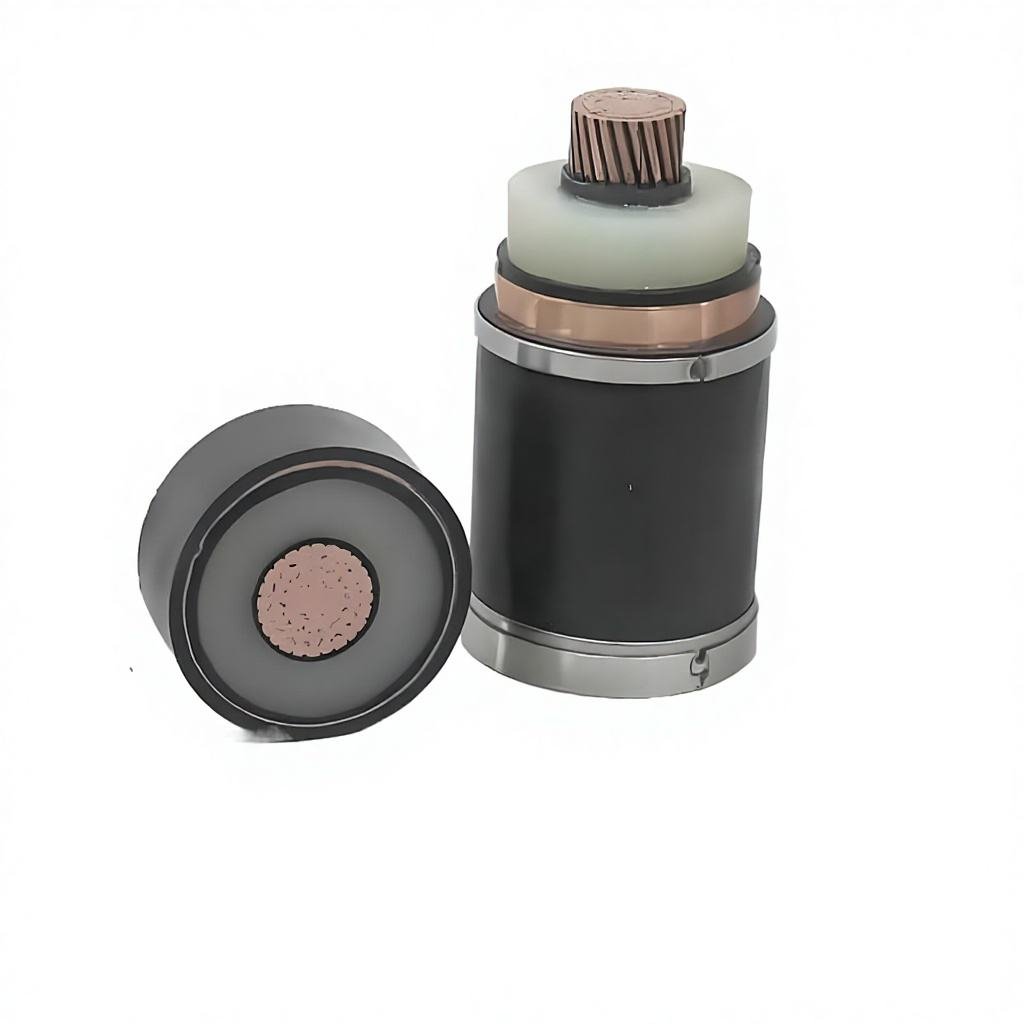
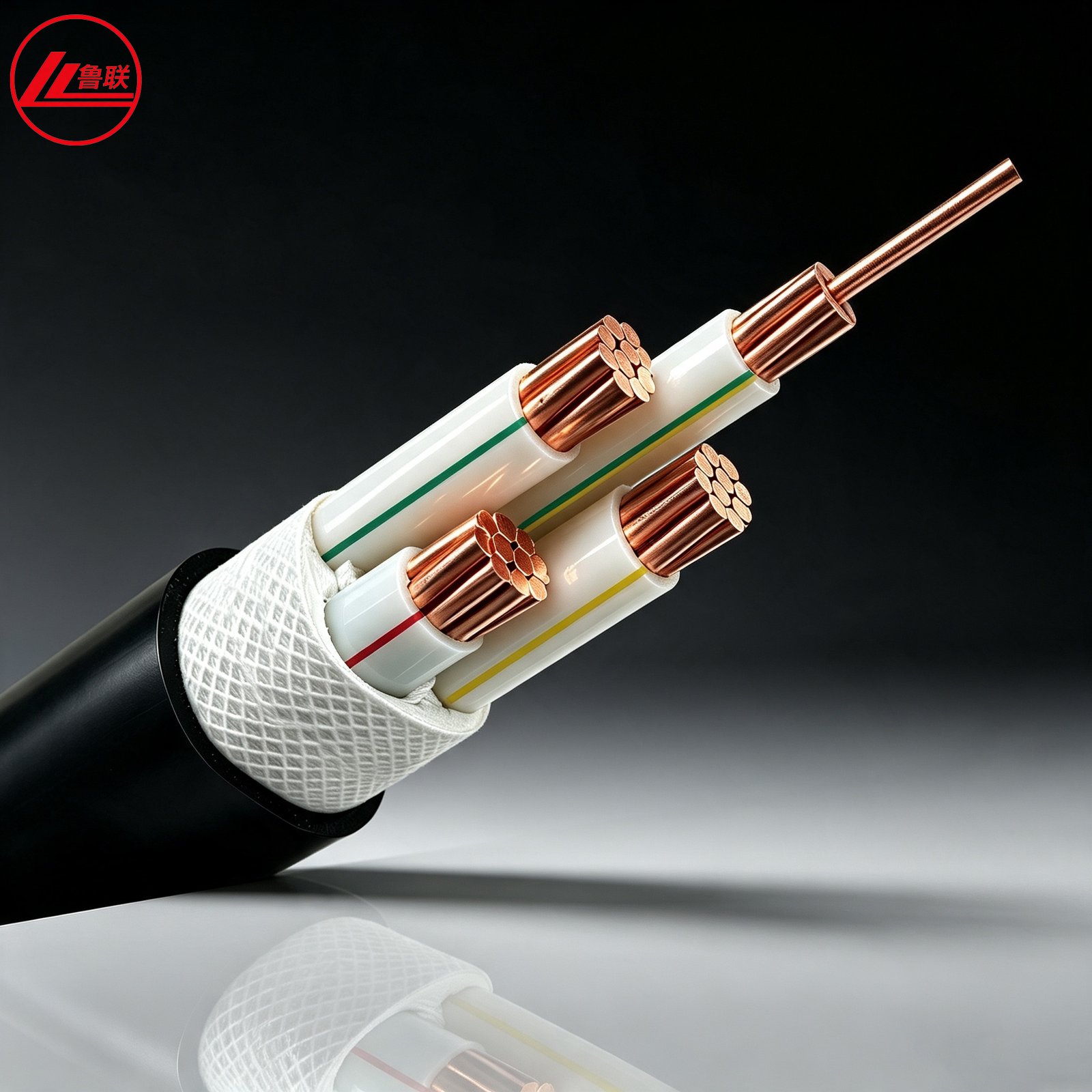
Copper is common in building services, industrial equipment, control systems and compact high-load connections. Aluminium is widely used for utility distribution, large feeder circuits and projects where weight and conductor economics are decisive. Local utility practice, tender specifications and approved vendor requirements must take priority. Review our power cable options for copper and aluminium constructions.
Information to Send for an Accurate Quotation
Provide load current, system voltage, route length, installation method, ambient temperature, grouping, allowable voltage drop, short-circuit duty, conductor preference, cable size, insulation, armour, sheath, terminal material, standard, quantity and destination.
Frequently Asked Questions
Is aluminium cable unsafe?
No. Properly designed aluminium systems are widely used. Reliability depends on correct sizing, compatible connectors, installation and maintenance.
Can the same lug be used for copper and aluminium?
Only if the lug is specifically approved for the conductor and connection. Bimetallic solutions may be required.
Which conductor is better for an export project?
There is no universal answer. Tender rules, local utility acceptance, installation conditions, losses, theft risk, logistics and lifecycle cost should be reviewed.
Discuss Your Cable Requirement
Lulian Cable supports distributors, contractors, utilities and industrial buyers for global cable projects. Final construction, standards and performance are confirmed in the approved quotation and technical data sheet.