Cable Selection Guide
Voltage class changes far more than the number printed on a cable. It affects insulation design, screening, accessories, testing, installation skill and system protection. This guide gives procurement teams a practical framework for comparing LV, MV and HV cable.
Quick Answer
Low-voltage cable is generally used for final distribution and equipment connections. Medium-voltage cable serves utility and industrial distribution and normally includes conductor and insulation screens plus a metallic screen. High-voltage cable is a system-engineered product requiring specialized accessories, installation and testing. Always state the system voltage and applicable standard rather than using LV, MV or HV alone.
How Voltage Classes Are Defined
Voltage-class boundaries vary between standards and markets. A common project may describe up to 1 kV as low voltage, distribution ranges above 1 kV through tens of kilovolts as medium voltage, and higher transmission systems as high voltage. The exact rated designation is more important than the label. A cable marked 0.6/1 kV, 8.7/15 kV or 26/35 kV communicates conductor-to-earth and conductor-to-conductor ratings under its design standard.
Construction Differences
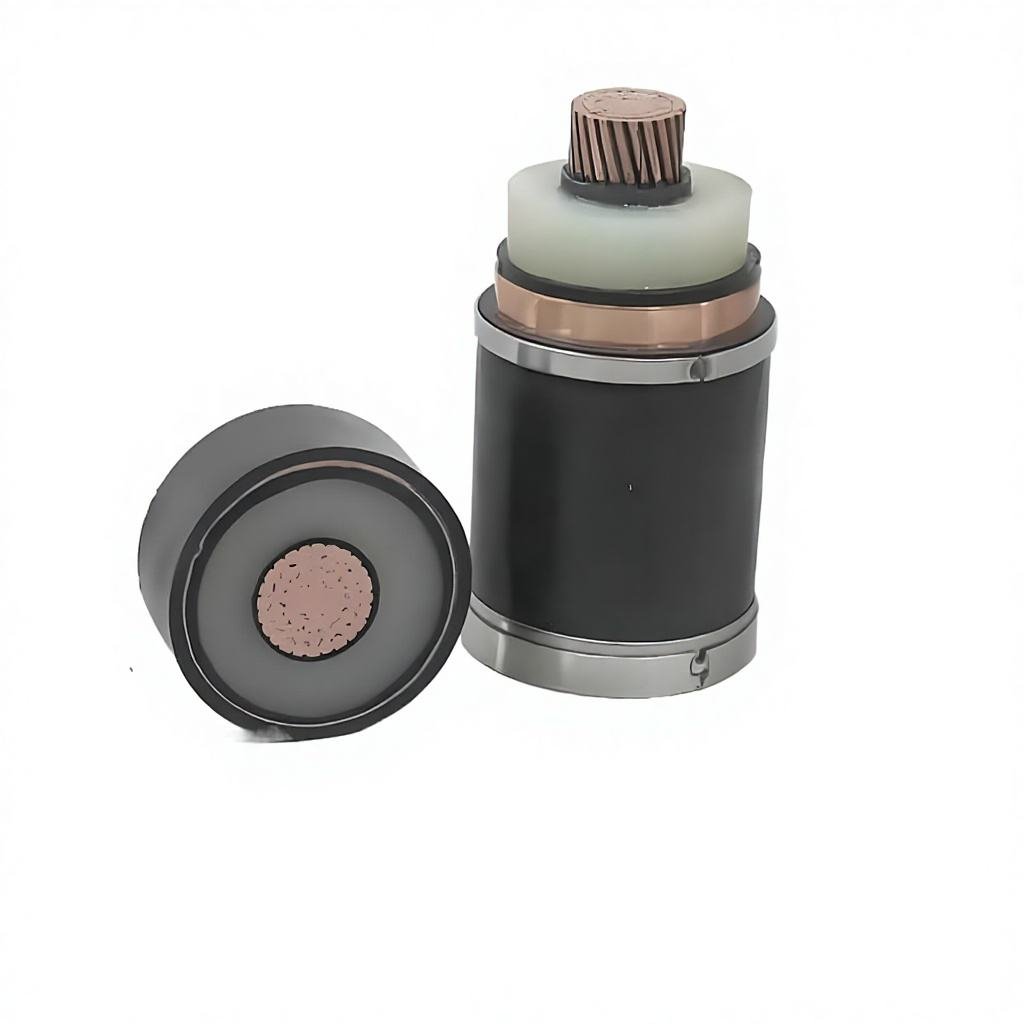
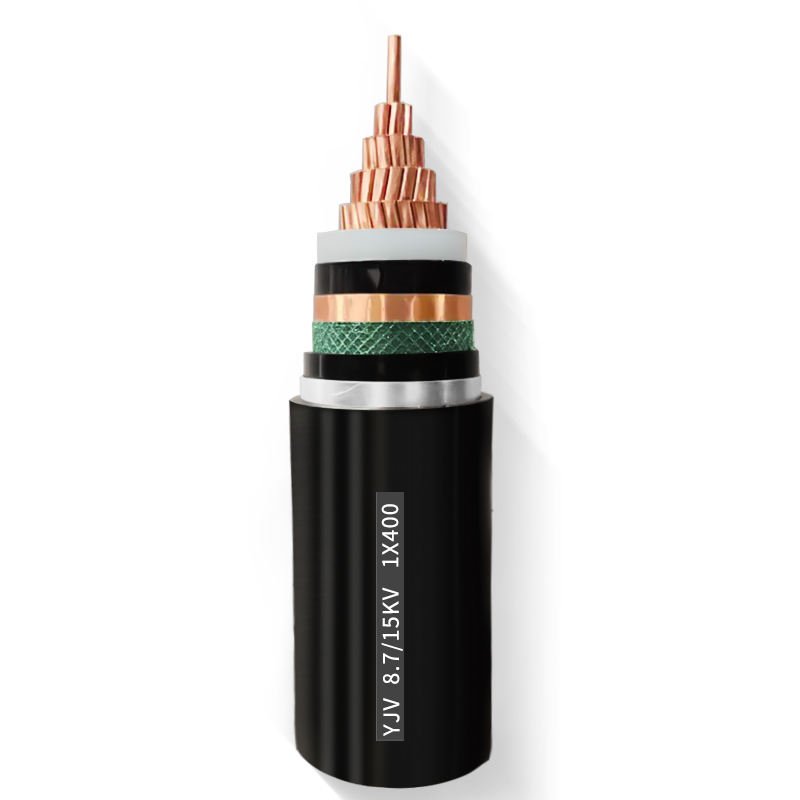
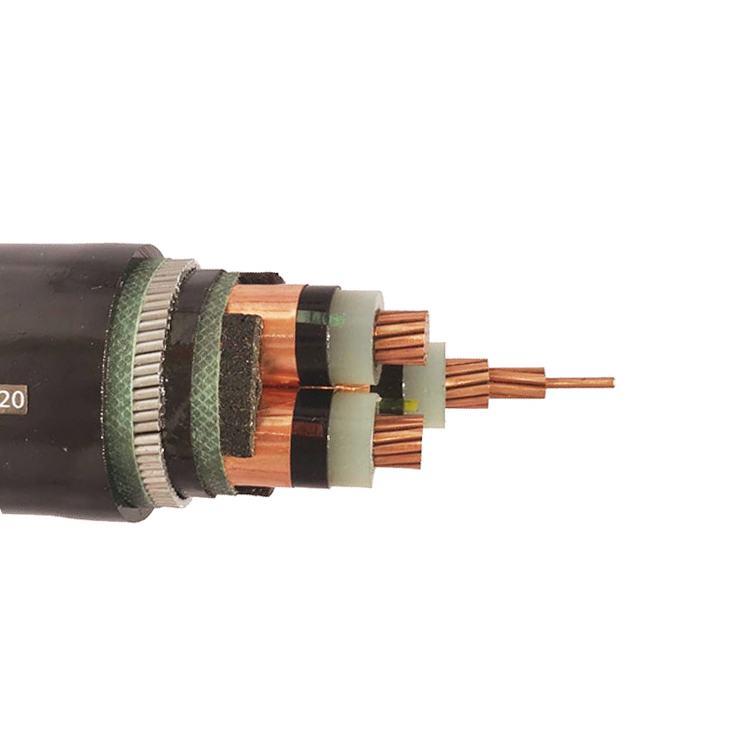
LV power cables may use copper or aluminium conductors, PVC or XLPE insulation, an optional armour and an outer sheath. MV XLPE cables normally add extruded semiconductive conductor and insulation screens together with copper tape or copper wire metallic screening. HV designs require tighter material cleanliness, electrical-field control and accessory coordination. Armour, water blocking and sheath material depend on the installation environment, not voltage alone.
Accessories and Installation
Terminations and joints must match the cable voltage, conductor, screen and insulation system. LV accessories are comparatively straightforward. MV work requires trained jointers, stress-control components, correct screen continuity and controlled preparation of the insulation surface. HV installation is a specialist engineering activity. Bending radius, pulling tension, phase identification, earthing arrangement and test procedures must be confirmed before cable delivery.
Testing and Documentation
Routine tests verify manufactured cable, while type or special tests demonstrate design performance under defined standards. The required documents may include conductor-resistance results, voltage tests, dimensional checks, partial-discharge results for applicable MV/HV products and material certificates. Buyers should state whether third-party inspection, witnessed testing or additional reports are required before quotation.
Choosing the Correct Class
Start with the network nominal voltage, maximum system voltage, earthing method, fault level and installation route. Then confirm conductor size, screen area, insulation, armour, sheath, fire performance and accessories. For African utility and industrial projects, including Nigeria, also confirm the tender standard, ambient temperature, burial conditions, termite or rodent risks, delivery lengths and destination port. See our medium-voltage cable range.
Information to Send for an Accurate Quotation
Send the rated-voltage designation, system frequency, conductor material and size, number of cores, screen requirement, armour, sheath, installation method, route length, short-circuit duty, standard, drum length, quantity and destination. Include accessory and testing requirements when applicable.
Frequently Asked Questions
Can an MV cable be used on an LV system?
A higher voltage rating does not automatically make it the correct or economical selection. System design, dimensions, accessories and installation requirements must be reviewed.
Why do MV cables have screens?
The semiconductive and metallic screen system controls the electrical field, provides a defined earth path and supports safe accessory design.
Does cable voltage alone determine cable size?
No. Current capacity, voltage drop, fault withstand, installation conditions and protection coordination are also essential.
Discuss Your Cable Requirement
Lulian Cable supports distributors, contractors, utilities and industrial buyers across Europe, the Middle East and Africa, including Nigeria. Final construction, standards and performance are confirmed in the approved quotation and technical data sheet.