Cable Selection Guide
Flame-retardant and fire-resistant are different performance concepts. One limits flame propagation; the other is intended to maintain circuit integrity for a specified time and test condition. Confusing the two can create a serious specification error.
Quick Answer
Flame-retardant cable is designed to reduce the spread of fire along a cable or cable bundle under a defined flame test. Fire-resistant cable is designed to continue carrying power or signals during a defined fire-resistance test. A product can have one property, both properties or neither, depending on its tested construction.
What Flame-Retardant Means
Flame-retardant tests evaluate how far flame propagates, how quickly it extinguishes and, for grouped cables, how the bundle behaves under a specified heat source. Performance categories vary by IEC, GB/T and other standards. A flame-retardant designation does not promise that the cable will keep a circuit operating during a fire.
What Fire-Resistant Means
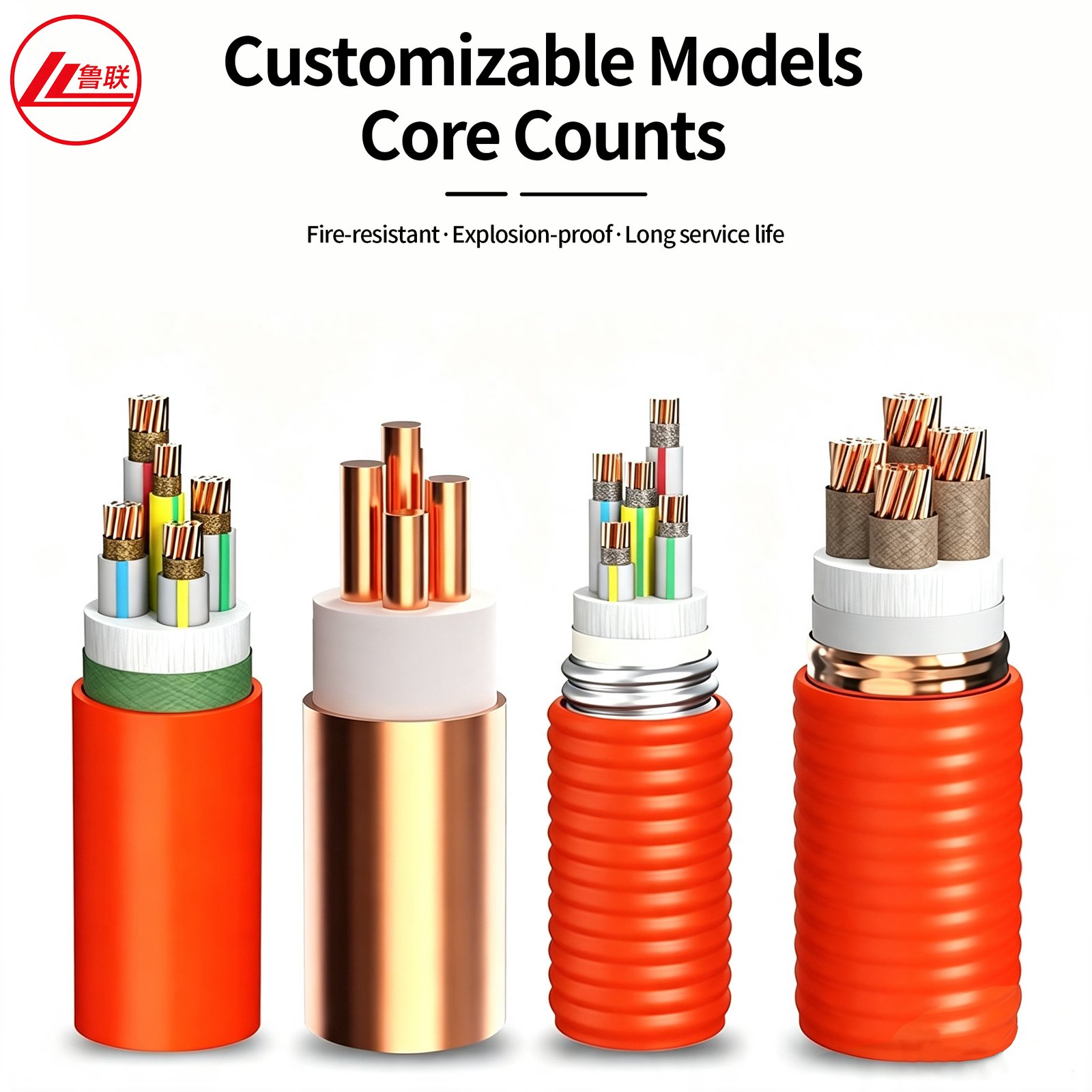
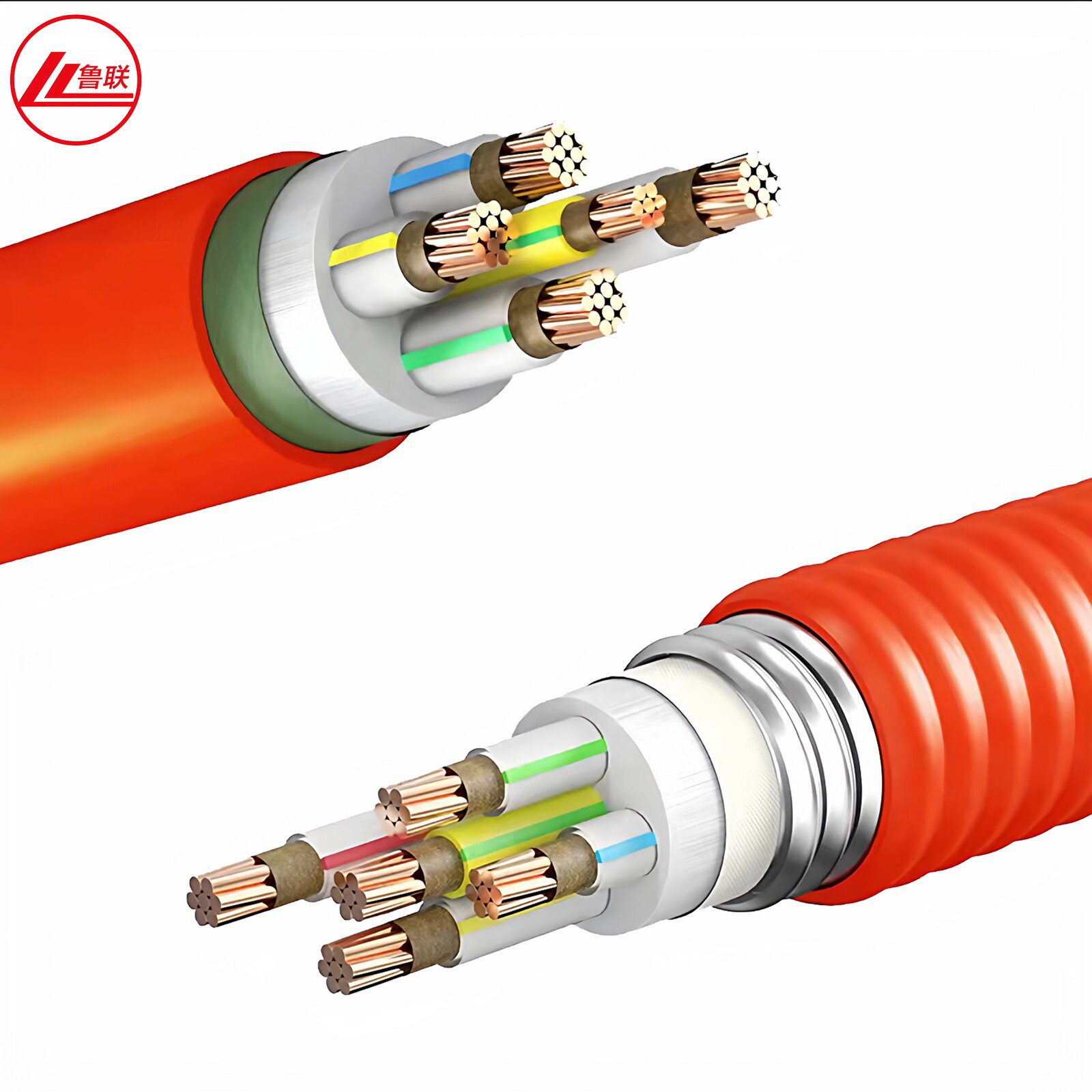
Fire-resistance or circuit-integrity tests apply flame, and in some standards mechanical shock or water, while monitoring electrical continuity. The required duration, temperature, test arrangement and cable size must be specified. Mineral-insulated and enhanced fire-resistant cable families are commonly used, but compliance must be proven for the exact construction and test method.
Smoke, Halogen and Toxicity
Low-smoke and halogen properties are separate from flame spread and circuit integrity. A project may require limited smoke density, limited halogen-acid gas, low corrosivity and specific flame or fire-resistance performance. Procurement documents should list each test rather than relying on a general phrase such as fireproof cable.
Critical Applications
Emergency lighting, fire alarms, smoke extraction, firefighting lifts, pumps, evacuation systems, tunnels, hospitals and high-rise buildings may require circuit integrity. The cable is only one part of the system. Supports, glands, joints, termination boxes and installation methods may also require fire-tested compatibility.
How to Specify Correctly
Identify the essential circuit and required survival time, then cite the exact test standard and category. State rated voltage, conductor size, cores, armour, smoke/halogen limits and installation. Local codes and the fire engineer control the final selection. Explore our fire-resistant cable range.
Information to Send for an Accurate Quotation
Provide the circuit function, required fire duration, test standard and category, voltage, conductor size and cores, armour, LSZH or smoke requirement, support system, installation route, certification/document requirements, quantity and destination.
Frequently Asked Questions
Is flame-retardant cable fire-resistant?
Not necessarily. Flame-retardant performance limits fire spread; fire resistance addresses continued circuit operation under a different test.
Does fire-resistant mean the cable cannot burn?
No. It means the tested construction maintains specified electrical integrity for defined conditions and duration.
Can a project request both properties?
Yes. Many critical installations specify circuit integrity together with flame, smoke and halogen requirements.
Discuss Your Cable Requirement
Lulian Cable supports distributors, contractors, utilities and industrial buyers across Europe, the Middle East and Africa, including Nigeria. Final construction, standards and performance are confirmed in the approved quotation and technical data sheet.