POWER CABLE GUIDE
Armour is selected for installation risk, not simply because one cable appears stronger. The correct choice depends on the route, mechanical exposure, earthing design, bending requirements and local project standard.
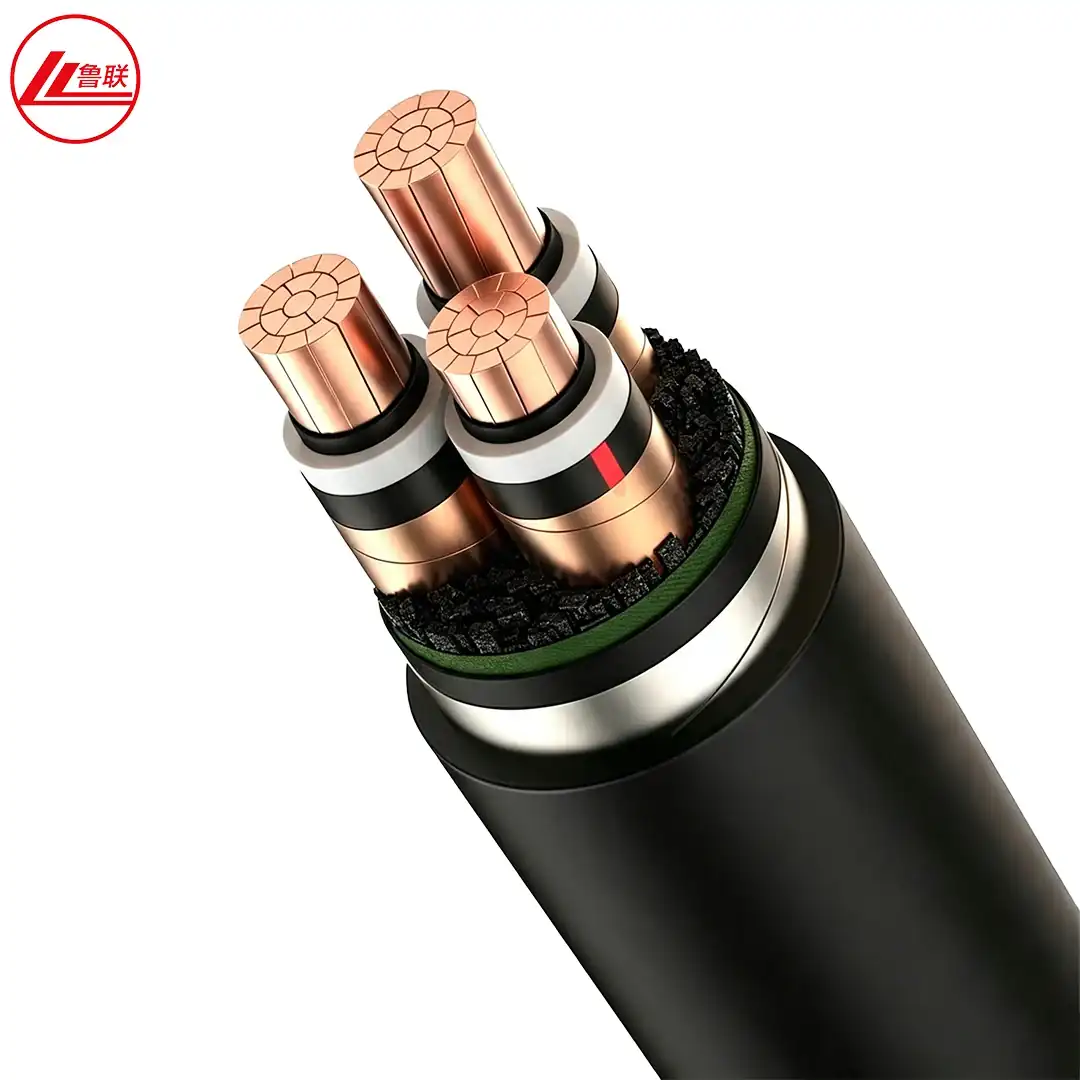
What armored power cable adds
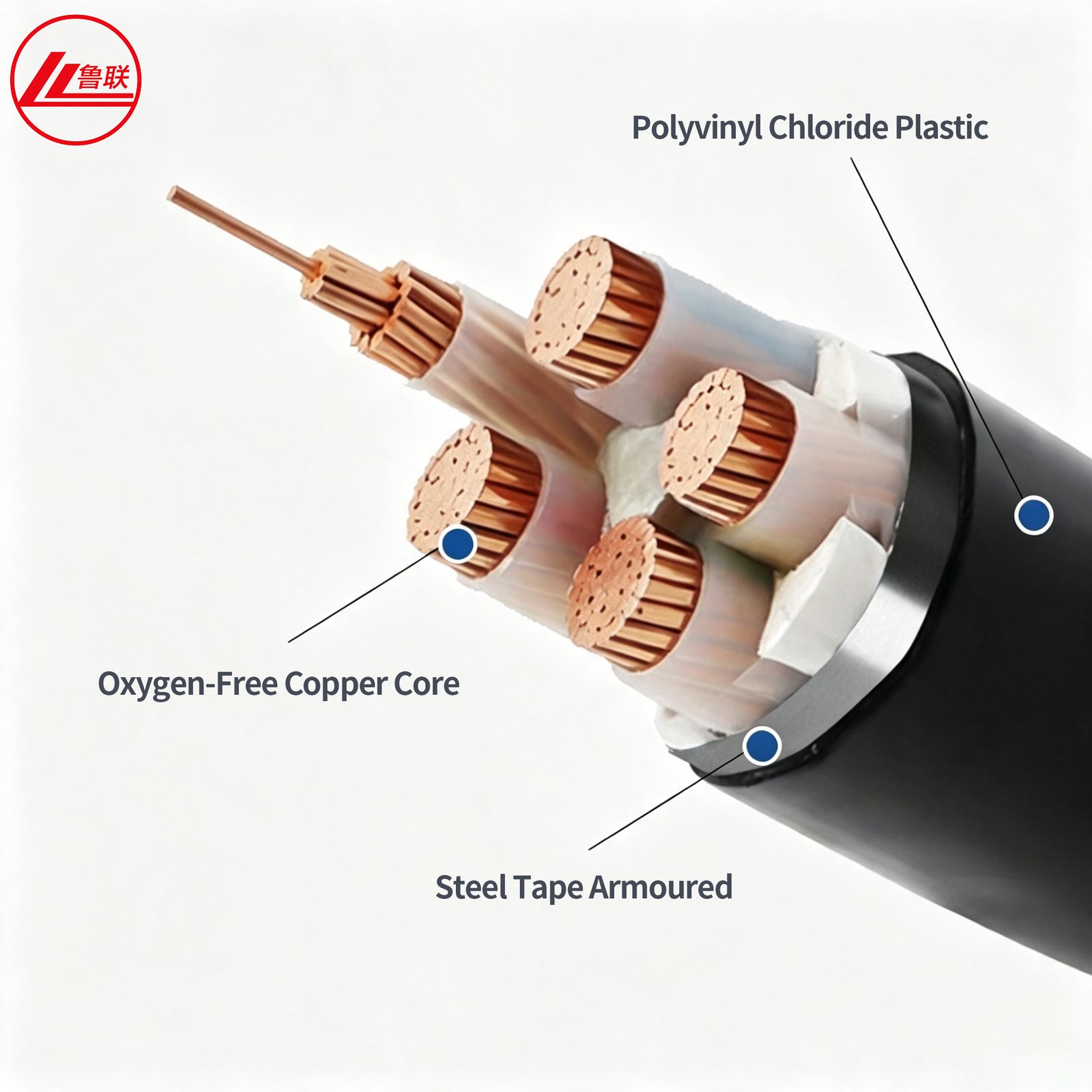
An armored power cable includes a metallic protective layer between the bedding and outer sheath. Depending on cable construction and project specification, this may use steel tape, steel wire or another approved armour. It helps protect the cable from impact and external mechanical stress.
When unarmoured cable may be suitable
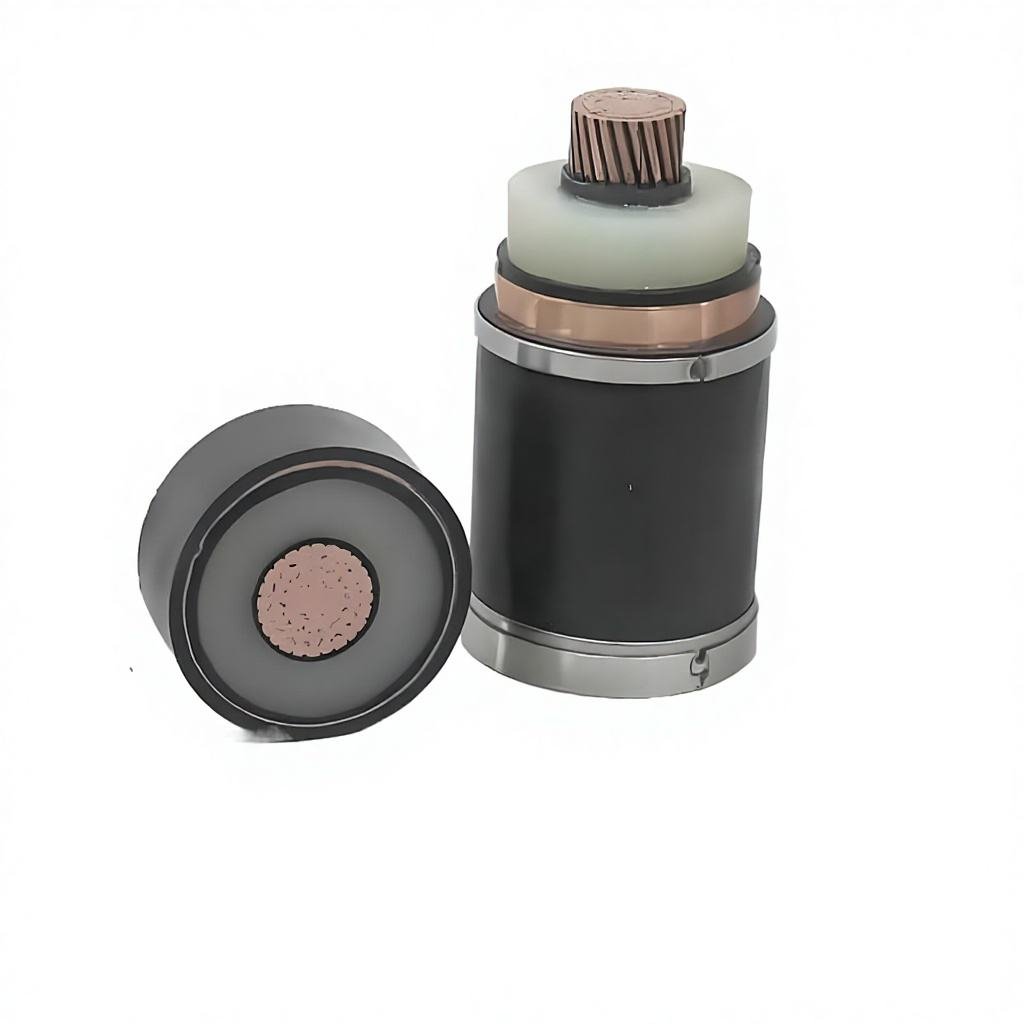
Unarmoured XLPE power cable can be appropriate where the cable is installed in a protected tray, conduit, duct or controlled indoor environment. It is normally lighter and easier to handle, but the complete installation system must provide the required protection.
Selection checklist
- Rated voltage and electrical load
- Copper or aluminium conductor
- Single-core or multicore construction
- Indoor, outdoor, underground, tray or duct installation
- Risk of impact, crushing, moisture, UV or chemicals
- Applicable IEC, GB/T or project specification
- Required drum length, marking and testing documents
Do not substitute construction without review
Single-core AC circuits can require special consideration for metallic armour. Final cable construction, ampacity and installation method must be confirmed by the project engineer and applicable standard.
Compare power cable options · View YJV22 Armored Power Cable · Send your specification
Need a cable quotation? Send the product, voltage, conductor size, quantity and destination to sales@luliancable.com or WhatsApp +86 131 8107 2607.