CABLE GUIDE
LSZH and PVC describe cable compounds with different fire, smoke, handling and environmental characteristics. The correct choice depends on the installation location, project specification and required fire-performance standard.
What Is PVC Cable?
PVC is widely used for cable insulation and outer sheaths because it offers practical electrical performance, mechanical protection and processing flexibility. The exact flame-retardant performance depends on the specified compound and completed cable design; the material name alone does not establish compliance.
What Is LSZH Cable?
Low-smoke zero-halogen compounds are designed to limit smoke and halogen-acid gas emissions during fire exposure. They are often specified in enclosed or occupied spaces such as public buildings, transport facilities, data rooms, tunnels and selected industrial areas.
Selection Factors
- Required reaction-to-fire or circuit-integrity standard
- Indoor, outdoor, buried, duct or cable-tray installation
- Operating temperature, flexibility and mechanical stress
- Rated voltage, conductor size and current-carrying requirement
- Destination-market documentation and marking
Important Specification Note
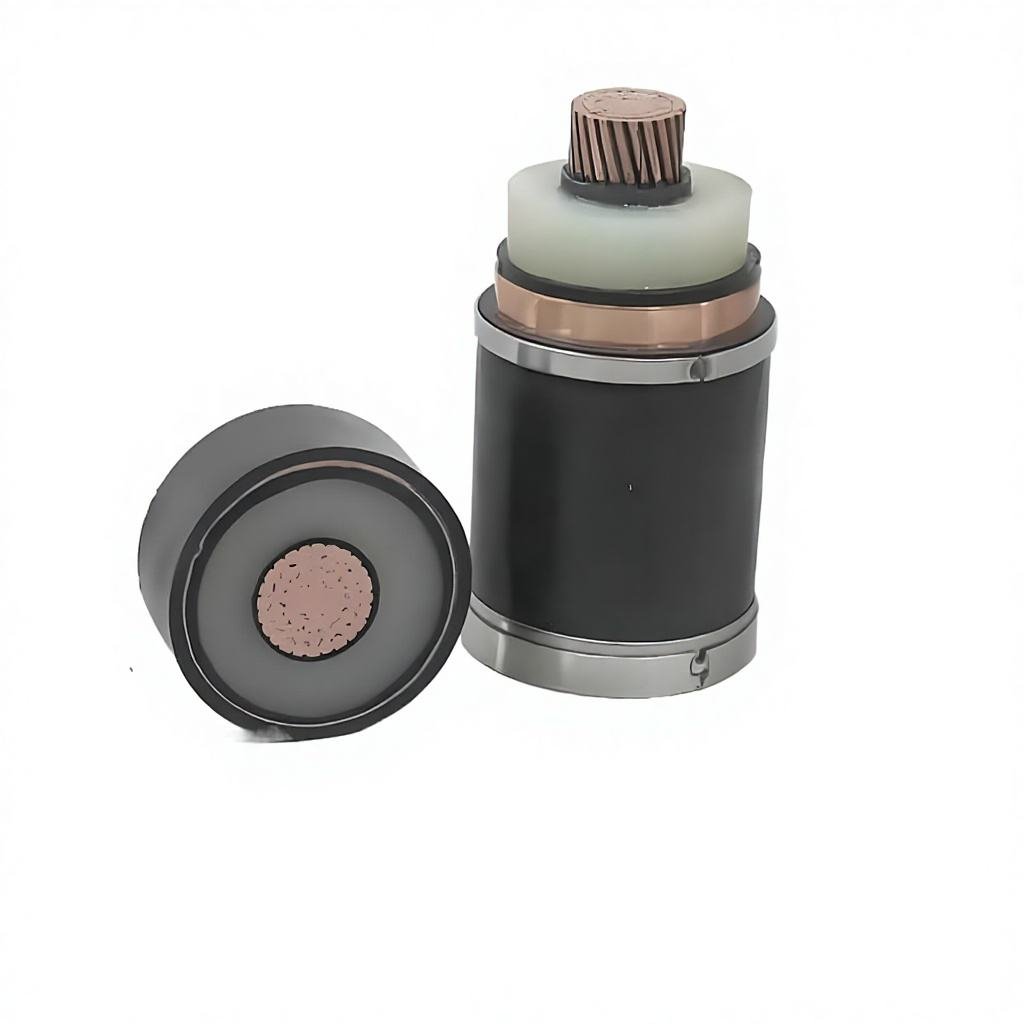
LSZH is not automatically fire-resistant, and PVC is not one single performance grade. Buyers should state the applicable test standard and required cable construction. Lulian Cable confirms insulation, sheath, marking and test requirements in the approved quotation and datasheet.
Information to Include in an RFQ
Provide the cable type, rated voltage, conductor material, core count, cross-section, installation environment, quantity, destination and required standard. This allows the sales team to review whether PVC, LSZH or another compound is appropriate.