Cable Selection Guide
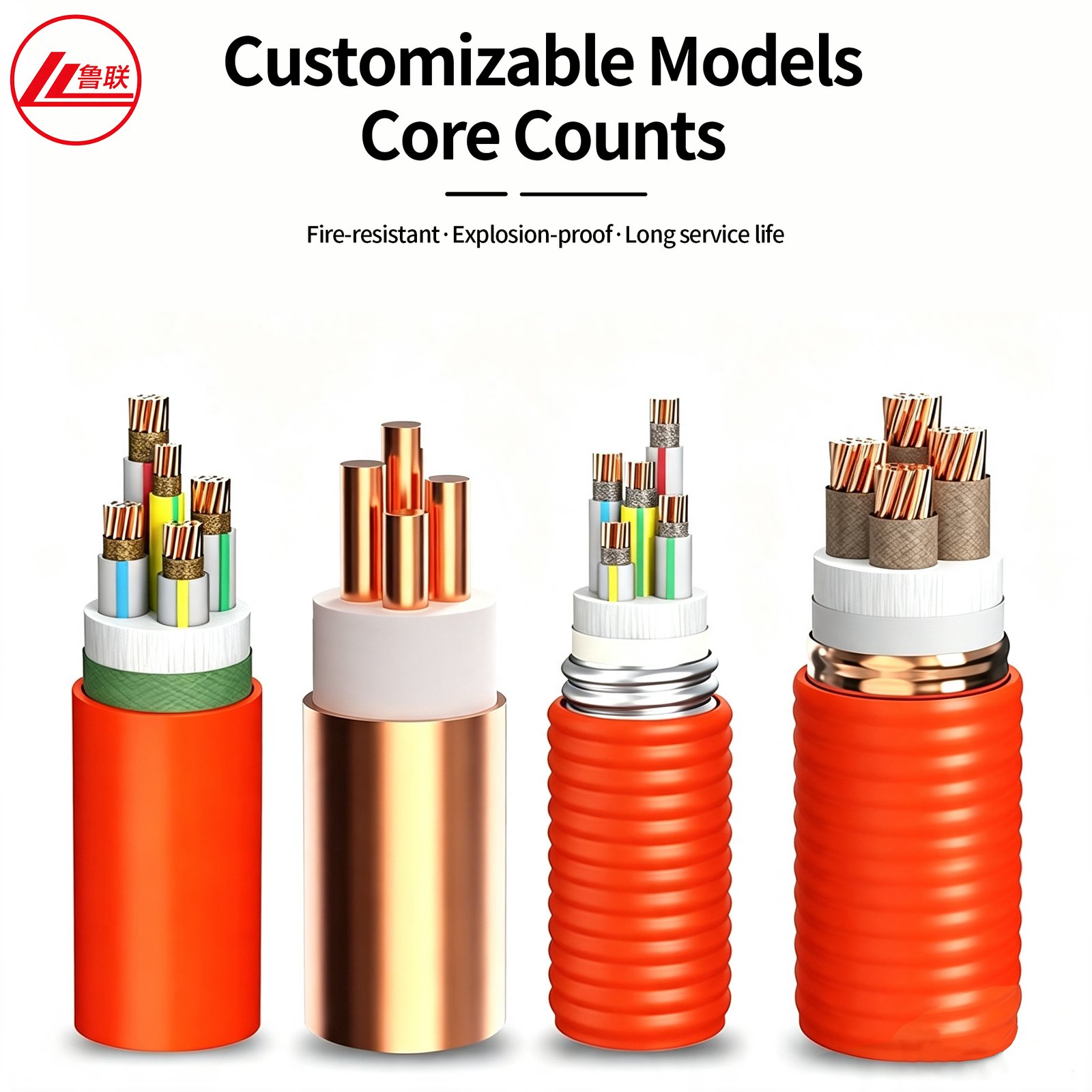
Mineral-insulated cable is used for critical circuits that demand high fire performance, mechanical durability and long service life. Traditional BTTZ construction and flexible mineral-insulated families such as BTLY and BBTRZ differ, so the exact model and test evidence must be confirmed.
Quick Answer
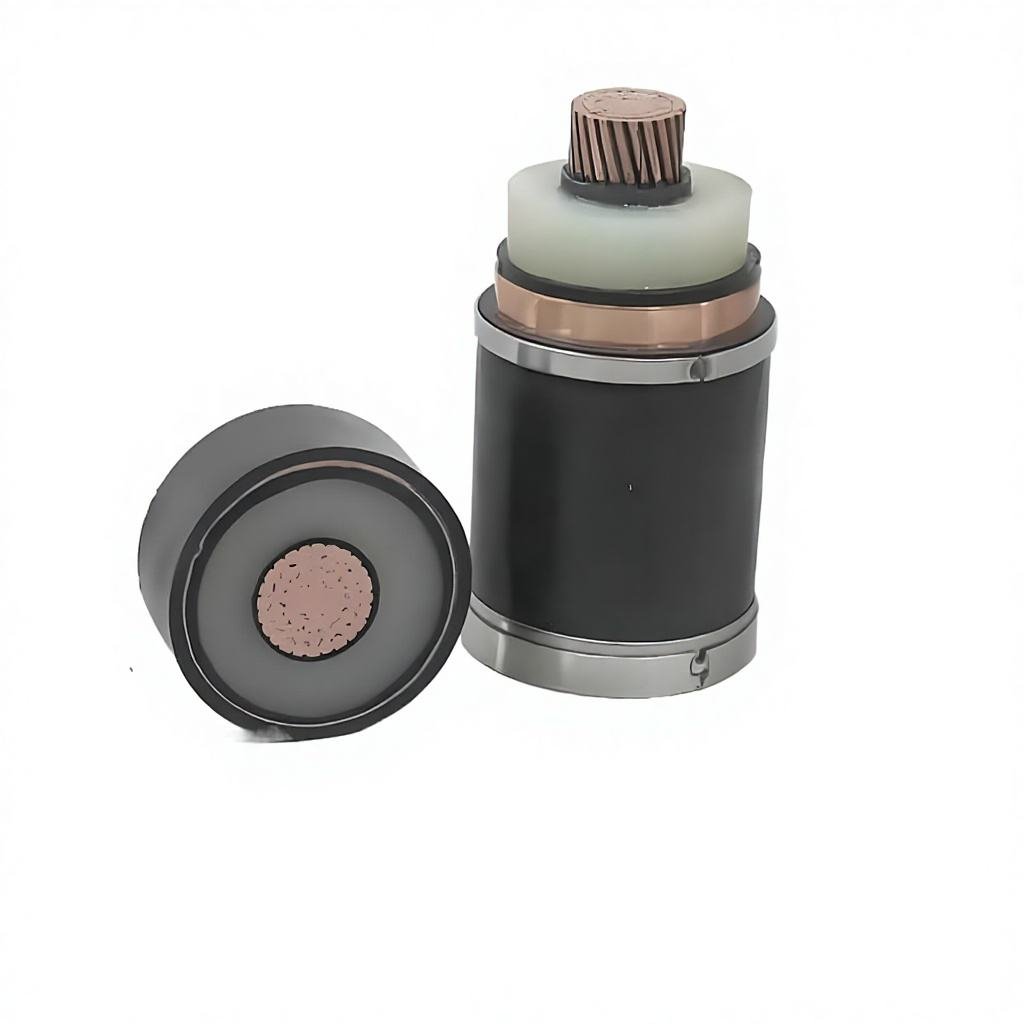
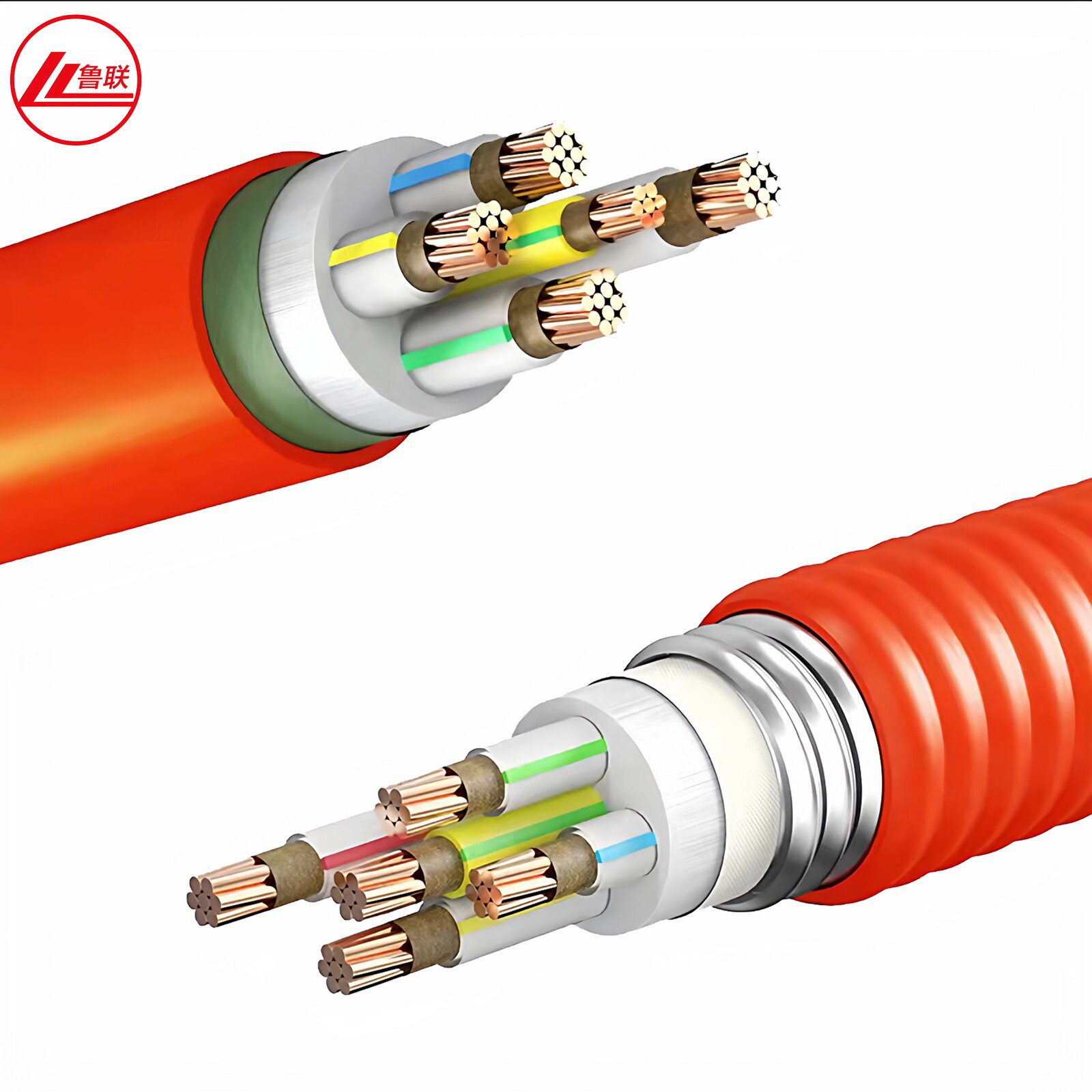
Traditional mineral-insulated cable uses copper conductors embedded in compacted magnesium oxide insulation inside a metallic sheath. The inorganic construction provides exceptional heat and fire performance. Flexible mineral-insulated or enhanced fire-resistant cable families use different layered constructions to simplify installation. They should not be treated as identical products.
Traditional BTTZ Construction
BTTZ commonly refers to copper conductors, highly compacted magnesium oxide insulation and a seamless copper sheath. An additional outer covering may be specified for corrosion protection or identification. The cable is robust and non-combustible in its principal components, but it requires appropriate moisture sealing, specialized terminations and careful handling.
Flexible Mineral-Insulated Families
Names such as BTLY and BBTRZ are used for flexible fire-resistant cable families with structures that differ from rigid copper-sheathed MI cable. Depending on the standard, they may use mica fire barriers, mineral compounds, metallic layers and low-smoke sheaths. Buyers must compare the tested construction, bending characteristics, rated voltage and fire standard rather than relying only on the model abbreviation.
Benefits and Limitations
Advantages can include circuit integrity, high temperature capability, resistance to ageing and strong mechanical protection. Traditional MI cable can have a smaller outside diameter for a given duty and does not contribute significant combustible material. Limitations include termination skill, moisture protection before sealing, bending tools, cost and the need to coordinate supports and accessories.
Применения
Typical uses include emergency power, fire pumps, alarm systems, smoke control, evacuation lighting, hospitals, data facilities, tunnels, metros, airports and high-rise buildings. The designer must decide which circuits require survival and for how long. Ordinary distribution circuits may use other flame-retardant or LSZH cables.
Installation and Testing
Observe minimum bending radius, avoid repeated reverse bending and keep unfinished ends sealed against moisture. Use model-specific glands, seals and termination kits. Continuity, insulation resistance and other prescribed tests should be performed after installation. See our BTTZ, BTLY and BBTRZ product page.
Information to Send for an Accurate Quotation
State the required model or construction, voltage, conductor size and cores, fire test and duration, outer covering, corrosion environment, route, bending constraints, termination quantity, drum length, certification requirements, order quantity and destination.
Frequently Asked Questions
Is every mineral-insulated cable rigid?
No. Traditional copper-sheathed MI cable is relatively rigid, while flexible fire-resistant families use different constructions and installation methods.
Does MI cable need special termination?
Yes. The termination must suit the exact cable, maintain insulation and prevent moisture ingress.
Can BTTZ, BTLY and BBTRZ be substituted freely?
No. Their constructions and tested performance differ. Any substitution requires engineering and approval against the project specification.
Discuss Your Cable Requirement
Lulian Cable supports distributors, contractors, utilities and industrial buyers across Europe, the Middle East and Africa, including Nigeria. Final construction, standards and performance are confirmed in the approved quotation and technical data sheet.