Cable Selection Guide
BV and BVR are widely specified copper building wires, but their conductor structures make them suitable for different installation conditions. This guide explains the practical differences, common applications and the information buyers should confirm before ordering.
Quick Answer
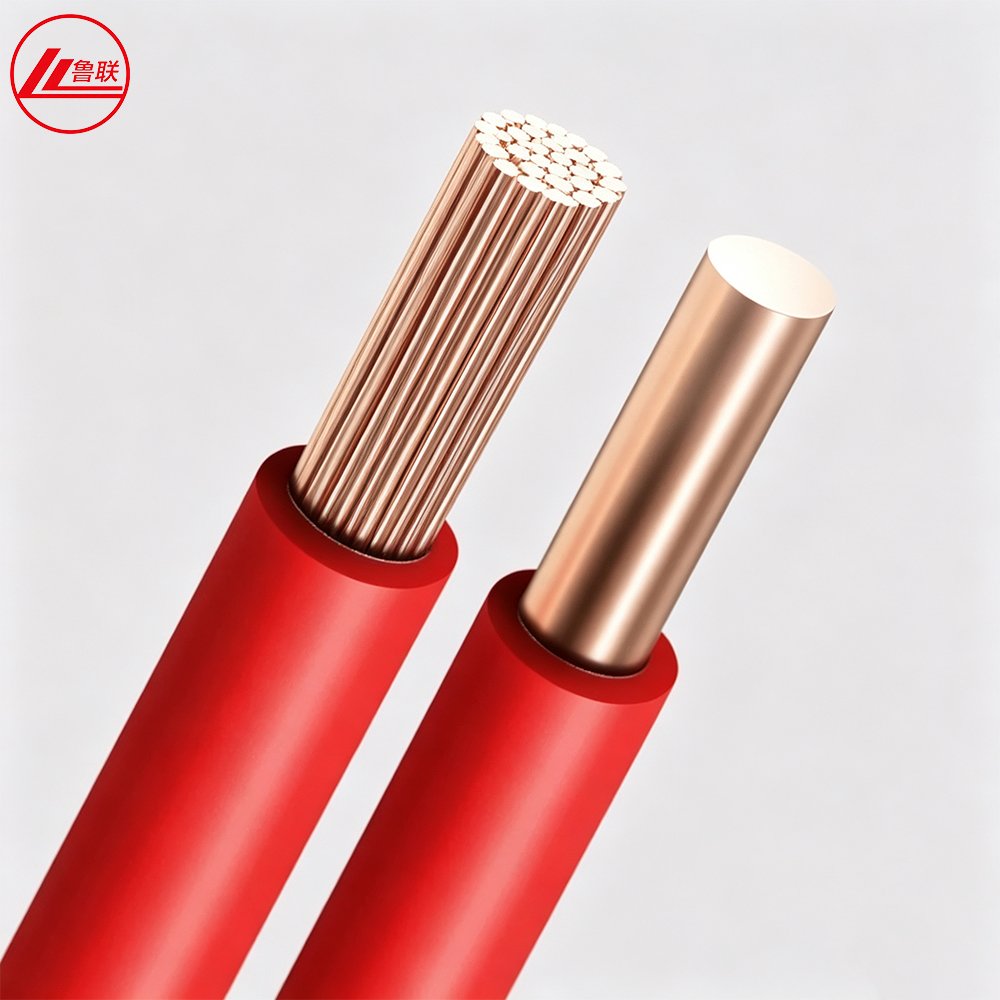
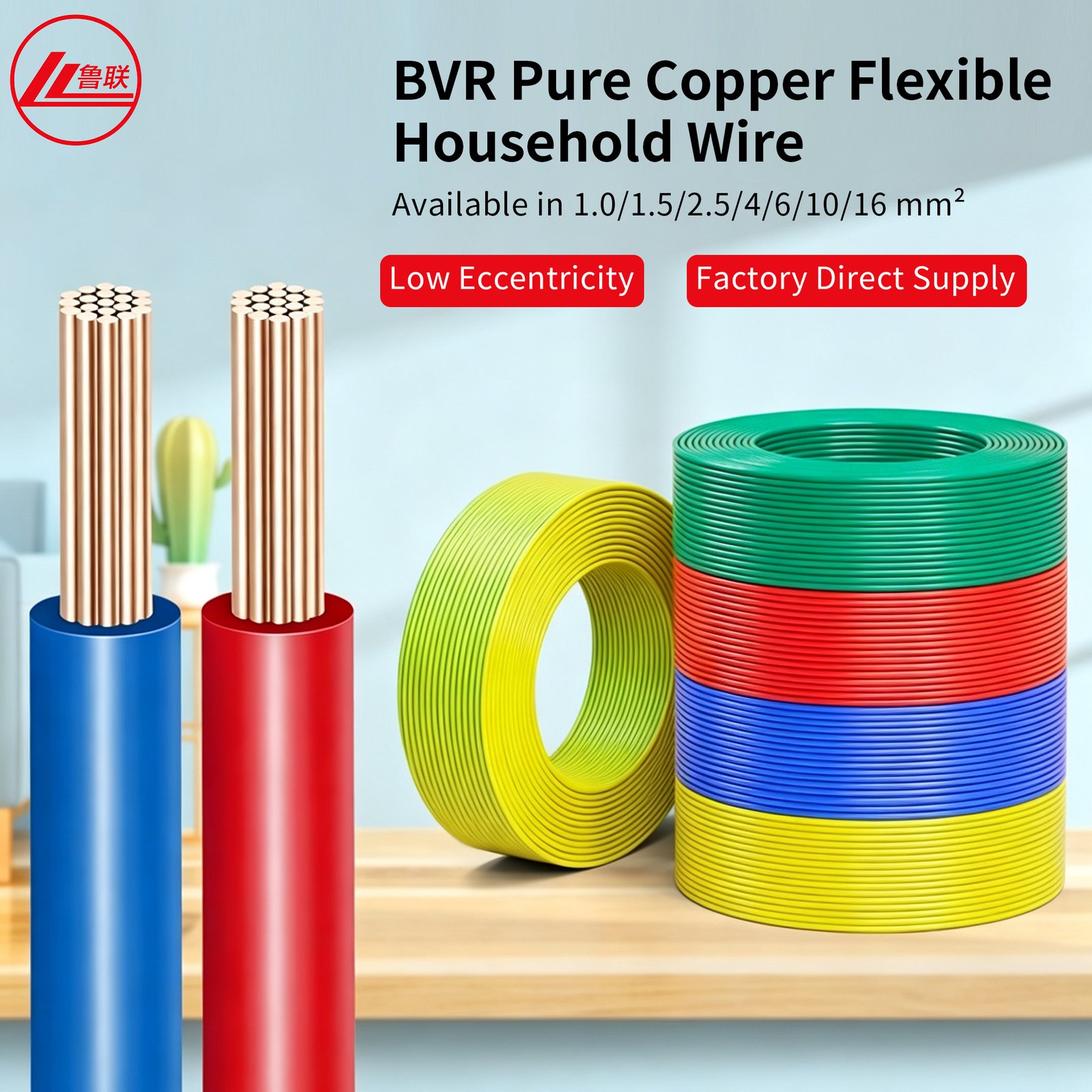
BV normally uses a solid copper conductor and is preferred for stable fixed wiring with straightforward routing. BVR uses multiple fine copper strands, giving greater flexibility for panels, corners and installations with frequent bending during assembly. The correct choice depends on the applicable standard, installation method, conductor size and required flexibility.
Conductor Construction
BV wire generally uses a class 1 solid annealed copper conductor. Its simple structure is dimensionally stable and well suited to fixed straight runs in conduit, trunking and distribution circuits. BVR wire normally uses a class 2 or flexible stranded copper conductor. The strands allow the conductor to bend more easily without concentrating stress at one point. Buyers should not assume that every market uses identical class designations; the quotation and technical data sheet must state the conductor construction required by the project standard.
Electrical Performance and Cable Size
For the same nominal cross-section and conductor material, both products are designed to meet the resistance requirement of the relevant standard. Flexibility does not mean that a smaller BVR size can replace a larger BV size. Cable sizing must still consider load current, route length, voltage drop, ambient temperature, grouping, installation method and protective-device coordination. For export projects, specify the unit in mm² and confirm whether the requested value is nominal cross-section or conductor diameter.
Installation and Termination
BV is easy to push through simple conduit routes and stays in position after installation. BVR is easier to route through control panels, junction boxes and locations with multiple bends. Because BVR is stranded, its termination may require ferrules, suitable cable lugs or terminals designed for stranded conductors. Loose strands, unsuitable terminals or incorrect tightening torque can create overheating. Installation must follow the terminal manufacturer and project requirements.
Insulation, Voltage and Colours
Common configurations use PVC insulation with rated-voltage options such as 300/500 V or 450/750 V, subject to the model and standard. Flame-retardant, low-smoke or project-specific insulation options may be available after technical review. Colour identification often includes red, blue, yellow, green, black, brown or green/yellow, but colour conventions vary by country. Nigerian, European and Middle Eastern buyers should state the required colour sequence and local wiring rules before production.
When to Choose BV or BVR
Choose BV for conventional fixed wiring where the route is stable and limited flexibility is needed. Choose BVR for distribution cabinets, equipment wiring and routes where easier bending and assembly are important. Neither product should be selected only by price. Confirm whether the installation is fixed, whether conduit space is limited, the minimum bending condition, terminal type, fire-performance requirement and the governing standard. See our BV/BVR building wire page for product options.
Information to Send for an Accurate Quotation
Provide the model, rated voltage, nominal cross-section, conductor class, insulation material, colour, coil length, required standard, quantity and destination. If the cable will be used in a panel, also describe the terminal type and available bending space. For private-label orders, include printing, label, carton and certification requirements.
Frequently Asked Questions
Is BVR always better than BV?
No. BVR offers greater flexibility, while BV is often simpler and economical for stable fixed runs. The better choice is the one that matches the installation and standard.
Can BV and BVR use the same terminal?
Not automatically. Terminals must be suitable for the conductor class. Stranded BVR often benefits from a properly crimped ferrule or lug.
Can Lulian Cable customize colours and packing?
Yes, subject to order quantity, material availability and the approved specification. Confirm colour, marking, coil length and packaging before production.
Discuss Your Cable Requirement
Lulian Cable supports distributors, contractors, utilities and industrial buyers across Europe, the Middle East and Africa, including Nigeria. Final construction, standards and performance are confirmed in the approved quotation and technical data sheet.