
§01 — WHAT CHANGED
Price-only tenders are giving way to specification-driven orders.
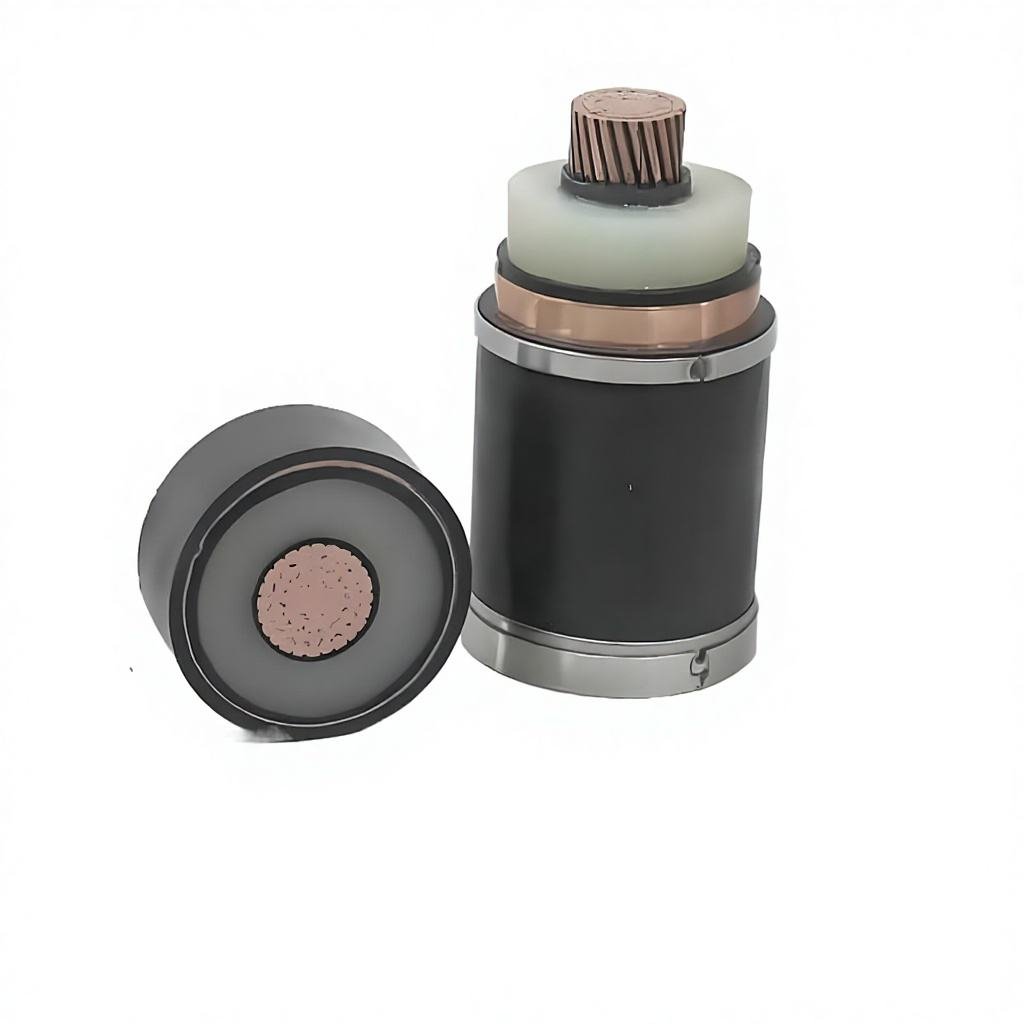
Ten years ago a cable enquiry from an overseas buyer often carried nothing more than a cross-section and a quantity. The supplier picked a construction, quoted a price, and the difference between offers was mostly margin. That enquiry still arrives, but it now competes with a second kind: a drawing that cites IEC 60502-2, names the armour, sets a partial-discharge limit and asks for the test report with the shipment.
The second kind of buyer is harder to win and much harder to lose. They disqualify suppliers before price is discussed, because a supplier who cannot produce a type-test report for the exact construction will not survive the project’s inspection stage.
§02 — FOUR CHECKS
What protects a buyer before the order is placed.
| Check | What to ask for | What a weak answer looks like |
|---|---|---|
| Standard citations | The exact standard and year on the drawing, and confirmation the factory tests to it | “We follow IEC” without a year or a test scope |
| Test reports | Type-test report for that voltage class and construction, with report number | A folder of unrelated certificates |
| Factory audit rights | Agreement that the buyer or its inspector may audit before shipment | “Inspection not required” |
| Marking rules | Printed marking standard, metre marks, drum cards, buyer’s brand if agreed | No marking standard mentioned |
§03 — WHAT THIS MEANS FOR A FACTORY
The report folder is part of the product.
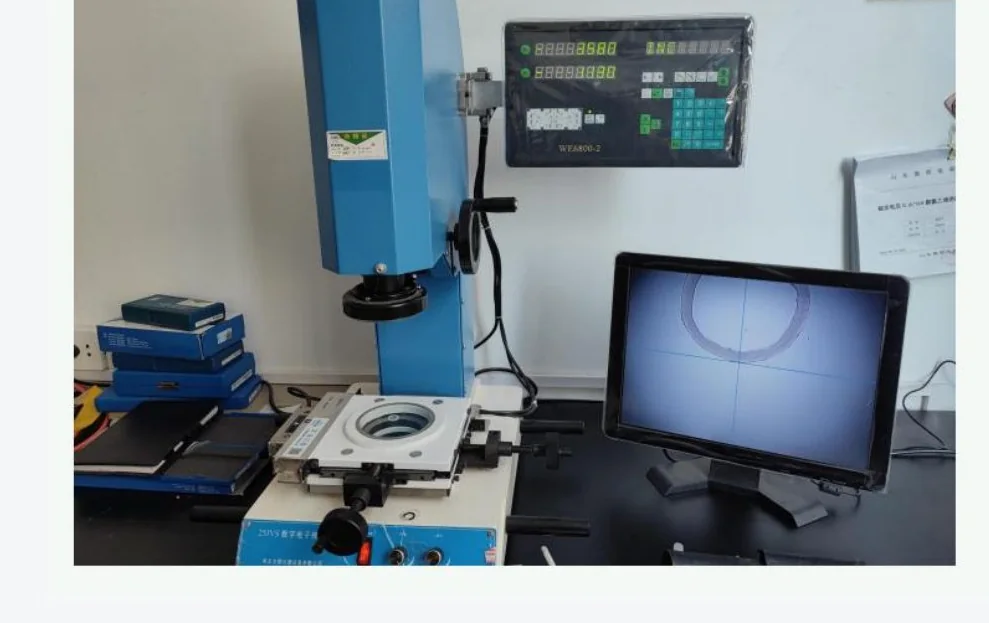
For a factory, this shift is an opportunity. A works that publishes its type-test values, keeps its certificate library current and allows inspection competes on evidence rather than on the lowest number. Buyers we speak to no longer ask whether a Chinese factory can make the cable; they ask whether it can prove what it made, five years later, when a joint fails and someone opens the project file.
See our published type-test values on the LSZH control cable page, and the certificate library with ISO and CCC scope statements.
§04 — FAQ
Does a higher price mean better cable?
Not automatically. It usually means the factory has priced in the testing and documentation the specification demands. Compare what is included, not just the number.
Should buyers insist on third-party inspection?
For project cable, yes. It costs a fraction of the cable value and it is the only stage where a nonconformity is still cheap to fix.
What single document is most worth requesting?
The routine test report for the actual drums shipped, not a sample report from a previous production run.