APPLICATION NOTE
This application note describes a common procurement scenario for control circuits between factory automation panels, sensors and field equipment. It is a selection guide, not a named customer project; the final design must follow the project drawings and engineering requirements.
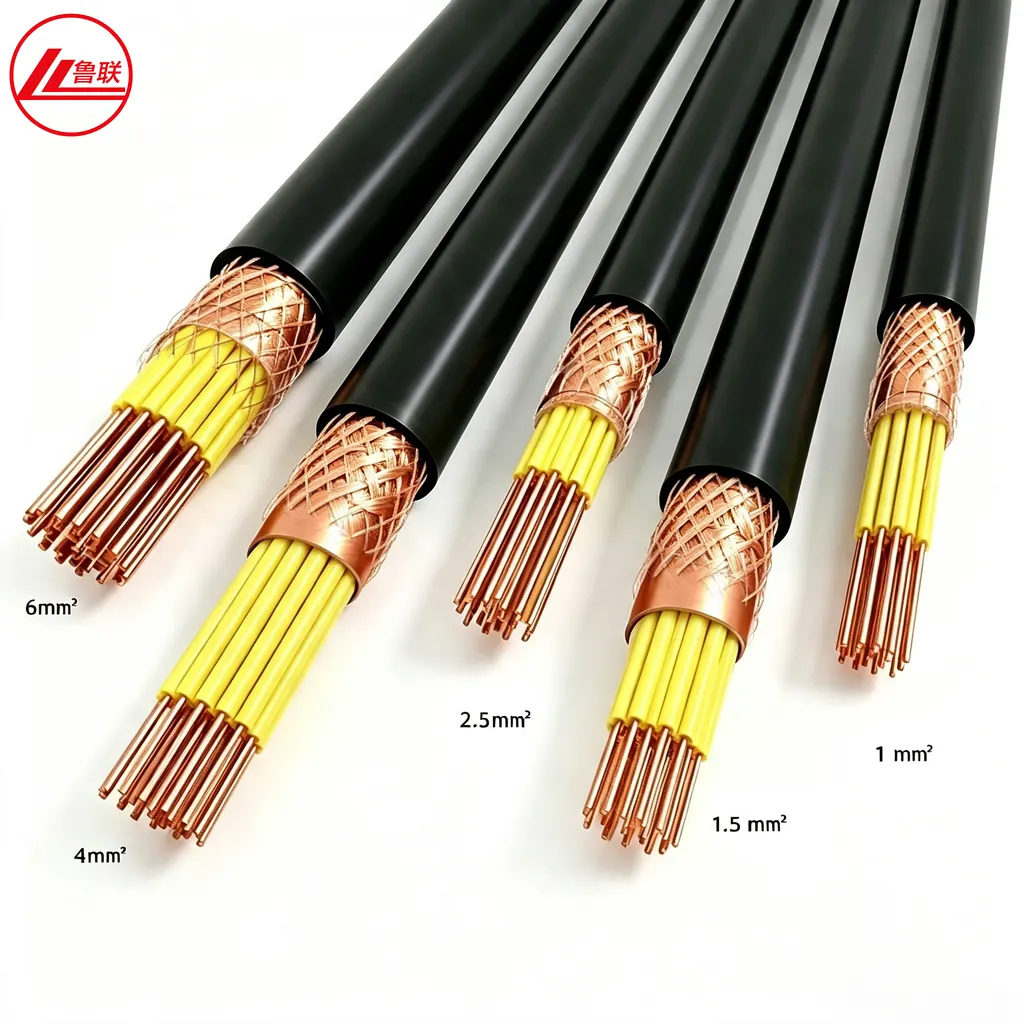
Start with the control function
Identify whether the cable carries switching, interlock, indication or low-level signal circuits. Record operating voltage, conductor size, number of cores and required spare cores. Core identification and terminal schedule should match the panel design.
Decide whether shielding is required
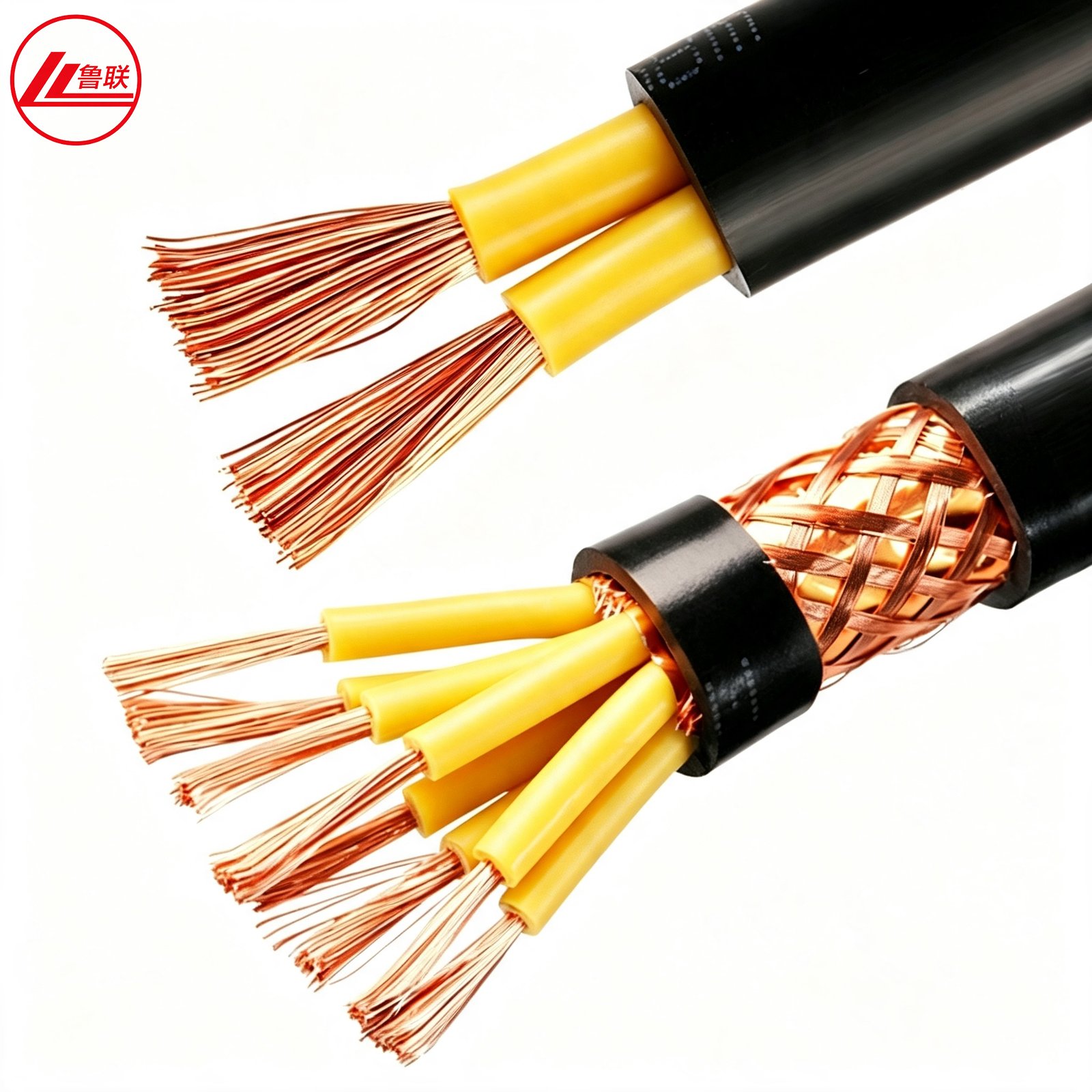
KVV is commonly considered for general control wiring, while KVVP constructions add shielding for environments where electromagnetic interference needs to be controlled. The shielding method and grounding arrangement must be defined by the system designer.
Review routing and mechanical protection
State whether the route uses cable trays, conduits, ducts or direct-buried sections and whether armour is required. Also identify oil, moisture, UV, heat or repeated movement. A standard fixed-installation control cable should not be used as a drag-chain or continuous-flex cable unless designed for that duty.
RFQ checklist
- Cable model or required construction
- Rated voltage, conductor size and core count
- Shielding and armour requirements
- Applicable standard and test documentation
- Length per drum, total quantity and destination
- OEM printing, label and packaging requirements
Lead time is confirmed according to order quantity.
View KVV/KVVP Control Cable · Browse control cables · Request a quote
Need a cable quotation? Send the product, voltage, conductor size, quantity and destination to sales@luliancable.com or WhatsApp +86 131 8107 2607.