RENEWABLE ENERGY GUIDE
A renewable energy project may require several different cable families. Solar DC strings, low-voltage AC collection, medium-voltage distribution, equipment control and auxiliary building circuits do not use the same construction. A reliable enquiry therefore starts with the electrical system and installation conditions—not with a product photo or a single cable name.
1. Define the Circuit Before Selecting the Cable
First confirm where the cable will operate: between photovoltaic modules and an inverter, between an inverter and transformer, in a low-voltage distribution circuit, in a medium-voltage collection network, or inside a control and monitoring system. The rated voltage, current, route length and connected equipment determine which cable family should be evaluated.
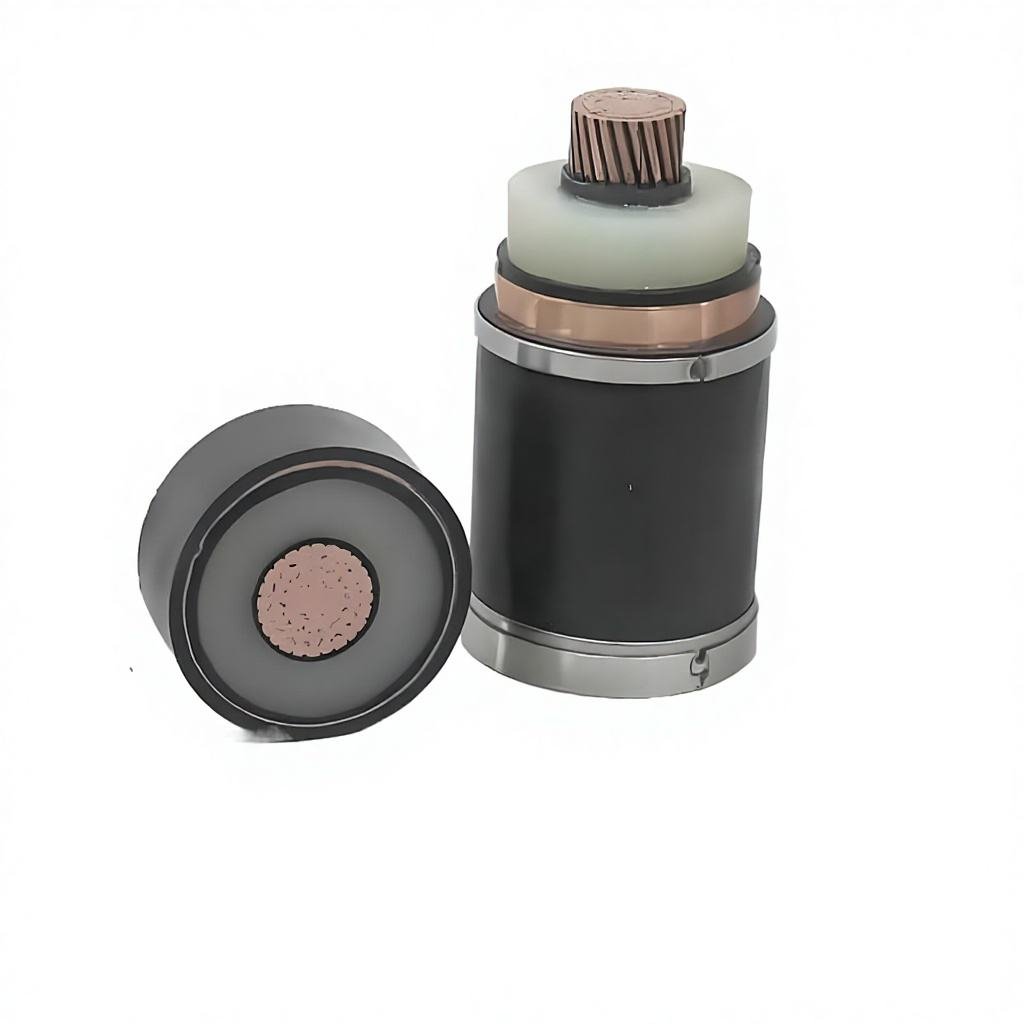
For balance-of-system and power-distribution sections, common enquiries may involve XLPE-insulated low-voltage power cable, armored power cable, medium-voltage XLPE cable, control cable and building wire. The final model must be checked against the project design and applicable standard.
2. Confirm Conductor Material and Size
Copper and aluminum can both be suitable when the conductor size, termination system and installation design are correct. Buyers should provide the design current, route length, allowable voltage drop, short-circuit requirement and installation method. Comparing only the nominal cross-sectional area can lead to an incorrect technical or commercial decision.
3. Match the Insulation and Sheath to the Environment
Temperature, sunlight, moisture, chemicals, mechanical impact and fire-performance requirements all affect material selection. Outdoor routing may require resistance to ultraviolet exposure and weathering. Buried, duct, tray and indoor installations can require different sheath, armoring or flame-performance specifications.
Do not use a generic phrase such as “solar cable” to cover every circuit. The correct construction should identify the conductor, insulation, sheath, rated voltage, temperature requirement and relevant standard.
4. Decide Whether Mechanical Protection Is Required
Steel-wire or steel-tape armored cable may be specified where the route requires additional mechanical protection. Unarmored cable can be appropriate in protected trays, ducts or equipment spaces. The choice depends on installation conditions, bending requirements, grounding design and the project specification.
5. Separate Power, Control and Communication Functions
Power cable carries energy; control cable connects equipment and control circuits. Screening may be required where electromagnetic interference is a concern. Core count, conductor size, shielding construction and identification should be confirmed from the control system drawings rather than copied from another project.
6. Agree Testing and Documentation Before Production
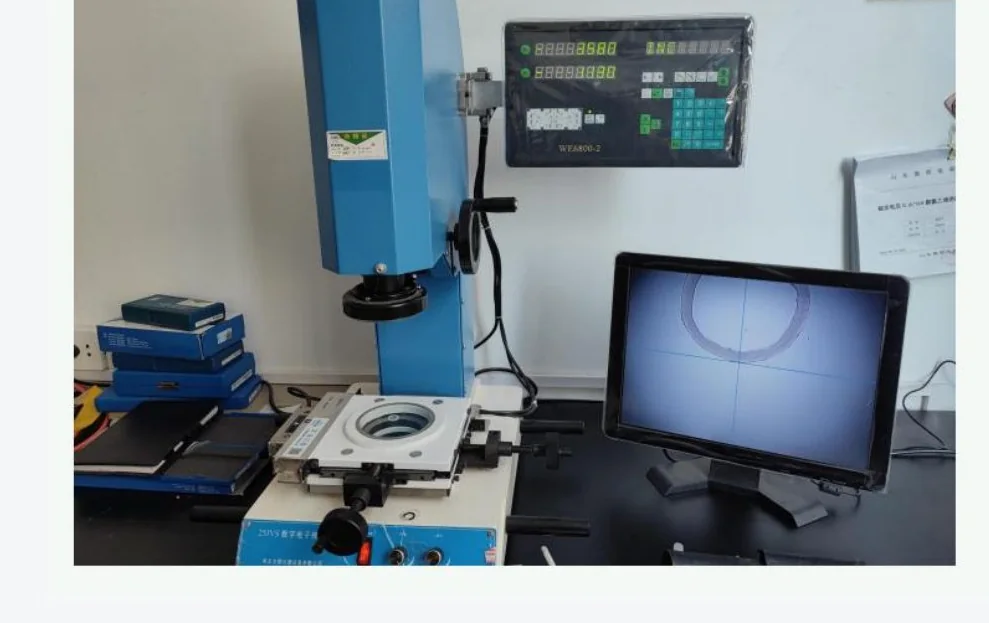
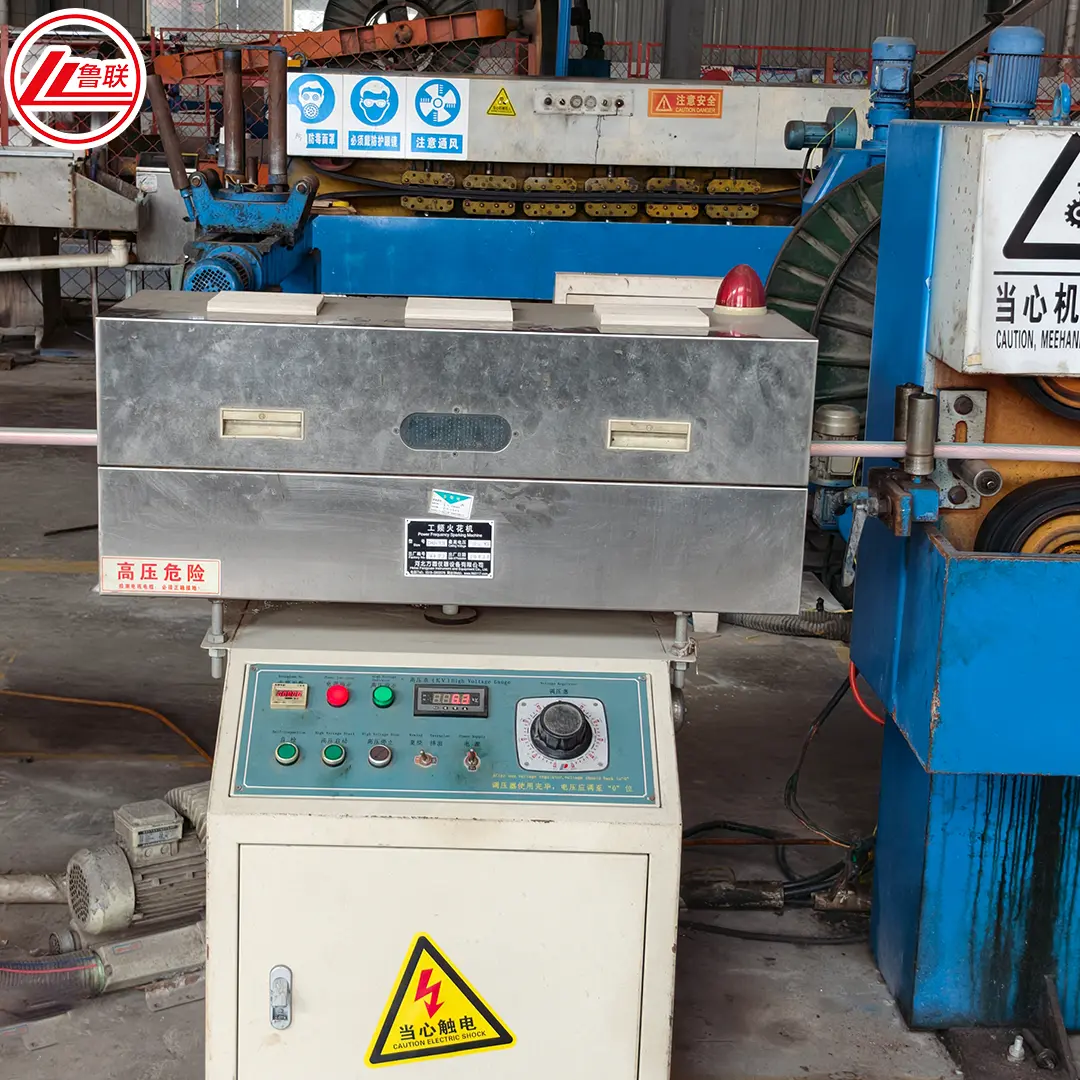
The required inspection plan should be included in the quotation. Depending on the product and standard, checks may cover conductor resistance, dimensions, insulation and sheath thickness, voltage withstand, continuity, marking, length and packing. Third-party inspection or additional reports should be agreed before production because they can affect price and lead time.
Renewable Energy Cable RFQ Checklist
- Project country and installation environment
- Circuit function and rated voltage
- Copper or aluminum conductor
- Number of cores and conductor cross-section
- Route length, order quantity and required drum length
- Armored or unarmored construction
- Applicable IEC, GB/T or project standard
- Fire, low-smoke, halogen-free or UV requirements
- Required certificates, test reports and inspection points
- Marking language, packaging and destination port
What Lulian Cable Can Support
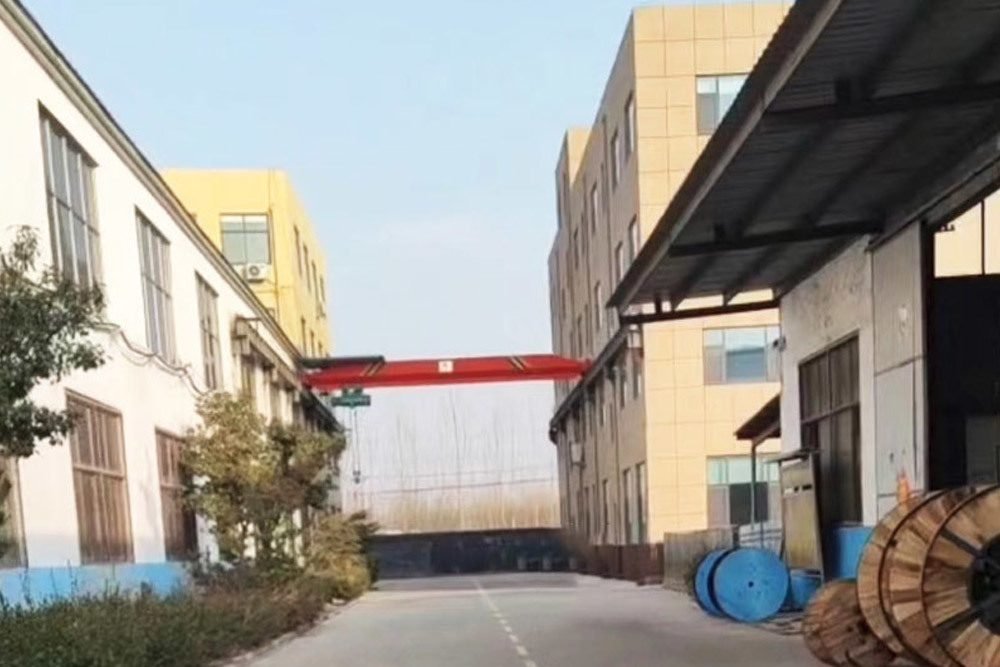
Lulian Cable manufactures wire, low-voltage and medium-voltage power cable, armored cable, control cable and fire-resistant cable for project and OEM supply. Our team reviews the requested voltage, conductor, core configuration, material, standard, marking and packing requirements before confirming production.
For an accurate quotation, send the cable schedule or single-line diagram together with the installation conditions. We will identify missing specification items before pricing.